
City Council Work Session – Election Reform – April 18, 2023
Council held a Work Session on the topic of changes to the Raleigh City Elections.

Council held a Work Session on the topic of changes to the Raleigh City Elections.
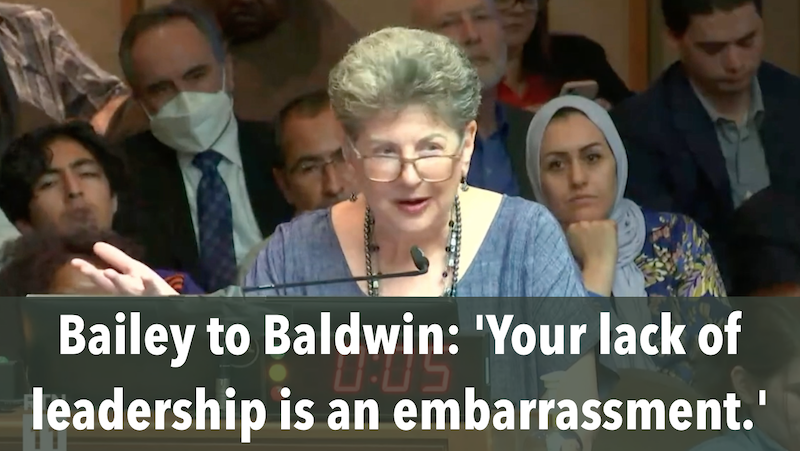
At the April 4th Council meeting Donna Bailey shared a video showing Mary-Ann Baldwin’s embarrassing style of governing. Bailey’s video shows Baldwin abusing her elected position to promote a big donor’s rezoning by suppressing fellow Councilor Jane Harrison’s participation in the rezoning discussion.
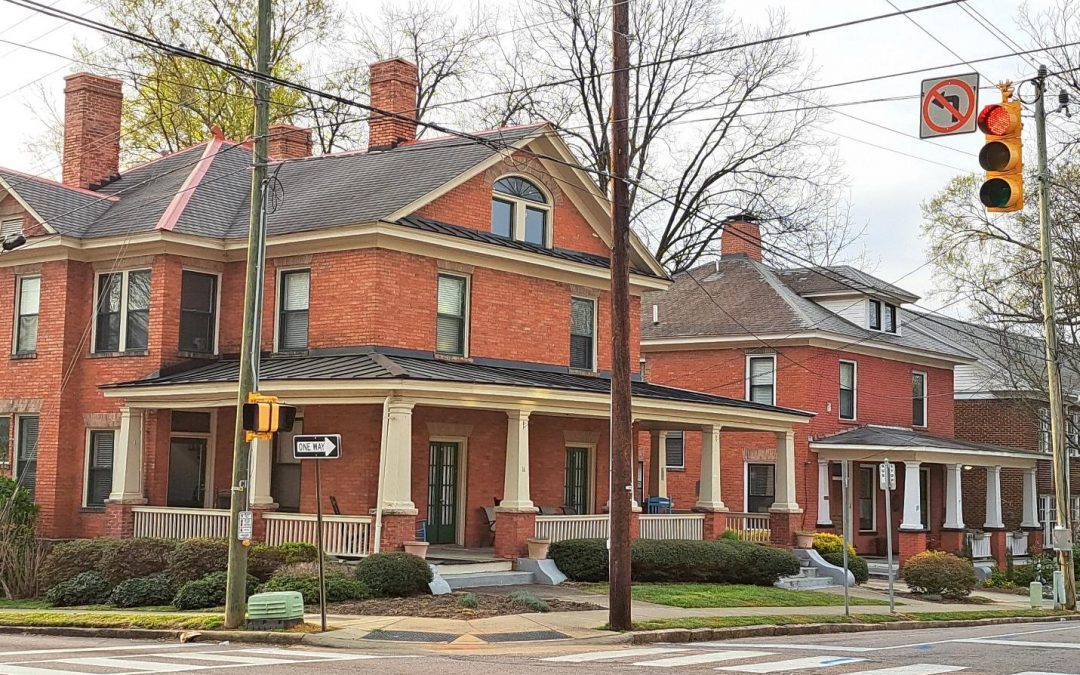
Please, City Council, save our historic treasures. Save our affordable housing. Save our old neighborhoods. We contribute a lot to this City. We are not ready to be sent to the landfill! Please leave us out of the T.O.D
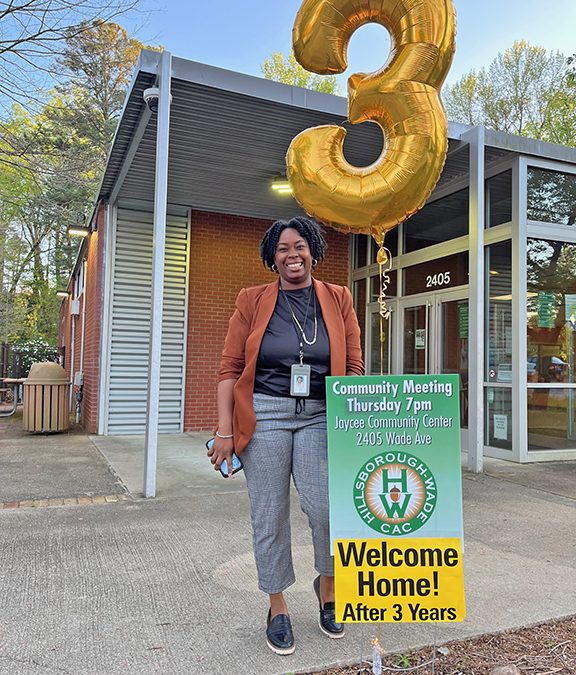
The Hillsborough-Wade CAC held its first in-person meeting in over 3 years! The meeting and program was a huge success. We had over 50 residents in attendance, and the program included two City Councilors and staff from Raleigh’s Community Engagement Office.
An email dated March 1, 2023, shows communication from the Raleigh City Clerk to the Raleigh City Manager detailing a timeline of events that resulted in two speakers being removed from public comment at Mayor Baldwin’s request. On June 6, 2022 Mayor Baldwin asked a deputy city clerk to remove two speakers signed up to speak about community reparative justice, under the guise that the city would schedule a public hearing on the matter “soon.” During the March 21, 2023 afternoon council meeting, Councilor Jones directly asked Mayor Baldwin if she had indeed authorized the removal of two individuals from public comment with the promise of a public hearing that, to this day, had yet to occur or be scheduled. Mayor Baldwin simply stated “no,” which is in direct contradiction to the email authored by the city clerk.
o Agency Grants Recommendations
o Human Resources Update
o FY2024-2028 Capital Improvement Program Update
o Annual Fee Adjustments
o Parking Fee Adjustments

Missing Middle will not repair our history of racist redlining. With all the discussion of zoning’s racist past, there is surprisingly no discussion to ensure that zoning changes will result in more equitable and truly affordable housing choices. It appears that our racist past has been weaponized to support changes that in the end may do nothing to repair it other than providing more opportunities for the building industry.
Several council members have been totally non responsive to our meeting requests. Mary Ann Baldwin has blocked our emails and the City Attorney for the planning commission has not responded to our concerns about a serious conflict of interest issue regarding a commissioner and Shaw University Board of Trustee member. We need to remind City Council about the importance of true community engagement.
Contrary to comments by planning staff, the Comprehensive plan is the guide today, regardless of whether it gets amended in the future. The same is true for the Future Land Use map but, if this application is approved, the area zoning will be changed to accommodate the new building heights for anything being proposed in the future. As a local land use attorney has said, “you have the facts to come to a proper decision on this case without waiting for the details on a future Development Agreement that, in itself, will be controversial and an anchor on the City Budget for the next ten years.

When residents are telling you that your project is causing gentrification and displacement, your response should not be to double down and steamroll the people.
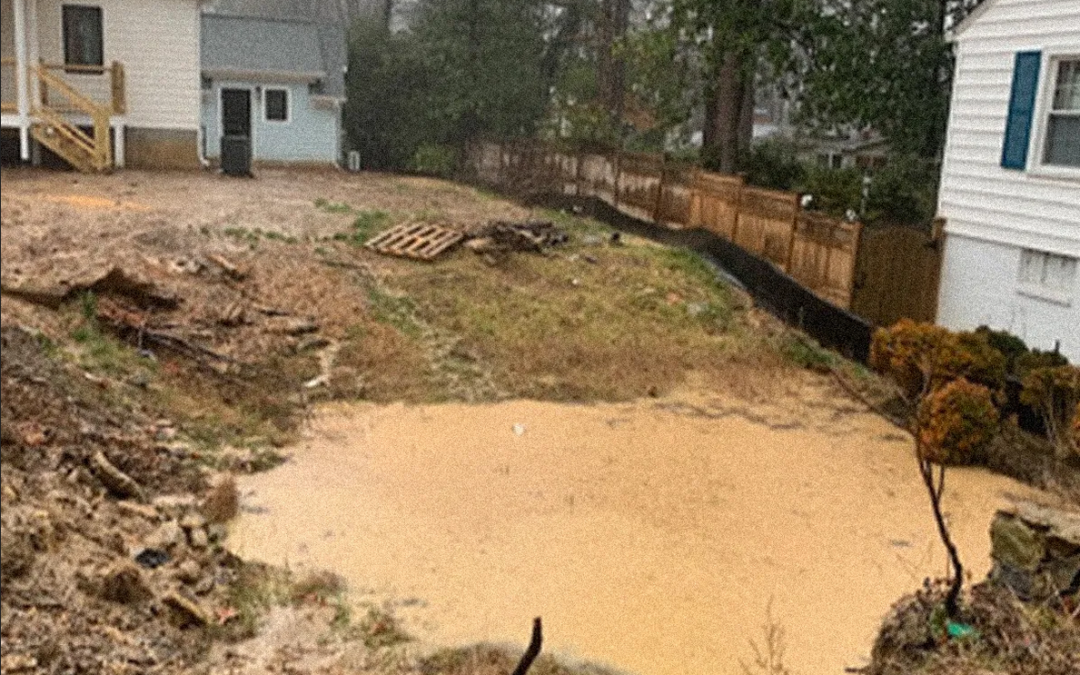
As density increases, the need for conscious, deliberate stormwater and other utility planning also increases. Instead, three years ago, the city decided to allow individual developers to do as they please “as of right.” Now the city denies any responsibility for the predictable mayhem that is resulting. My neighbor’s flooding is just one real-world example of the problems that occur when the city abandons its responsibility for strategic growth planning and oversight, and instead deregulates development.
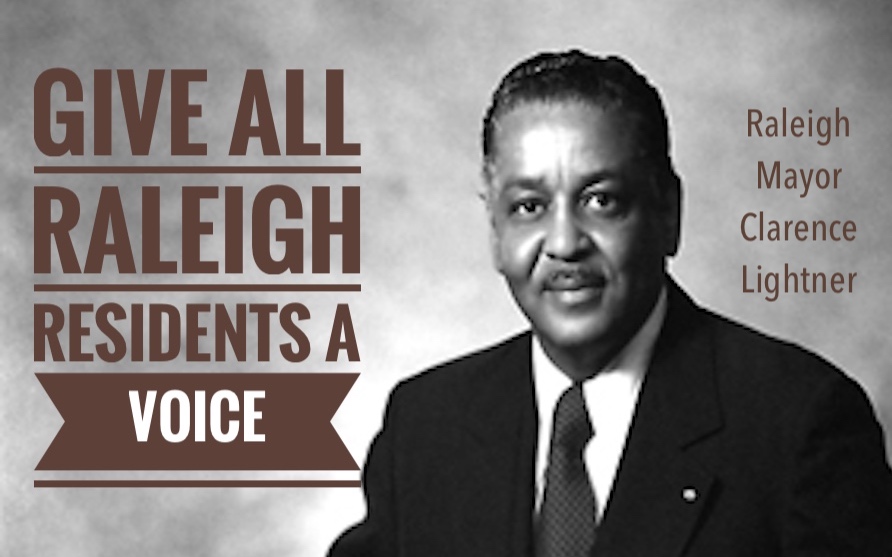
It’s time to step back and re-assess the likely impacts of BRT and TOD on established neighborhoods and identities instead of relying on the desired, but unproven outcomes pitched by those who stand to make a business profit.


With the implementation of the new comprehensive plan and UDO, Phil believed there was a real opportunity for a more predictable and efficient process. Today, unfortunately, rather than following approved plans, everything seems negotiable. This undermines the whole idea of predictability and erodes the trust in the review processes and in city leadership.
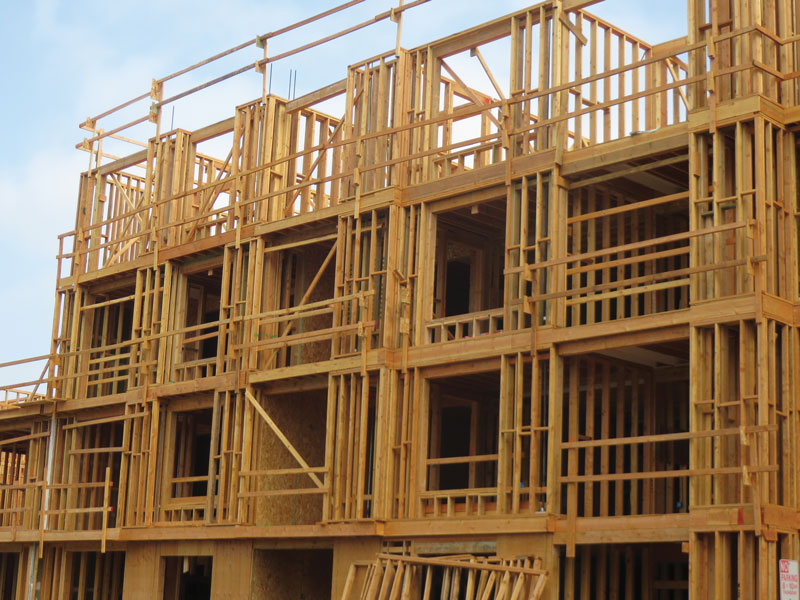
In the More Homes, More Choices presentations, Patrick Young admits that the Missing Middle will not create housing that becomes affordable until at least one to two generations after it is built.
Tonight, I have given Council members a draft framework for creating housing that will be more affordable than what is being built under the guise of the Missing Middle.
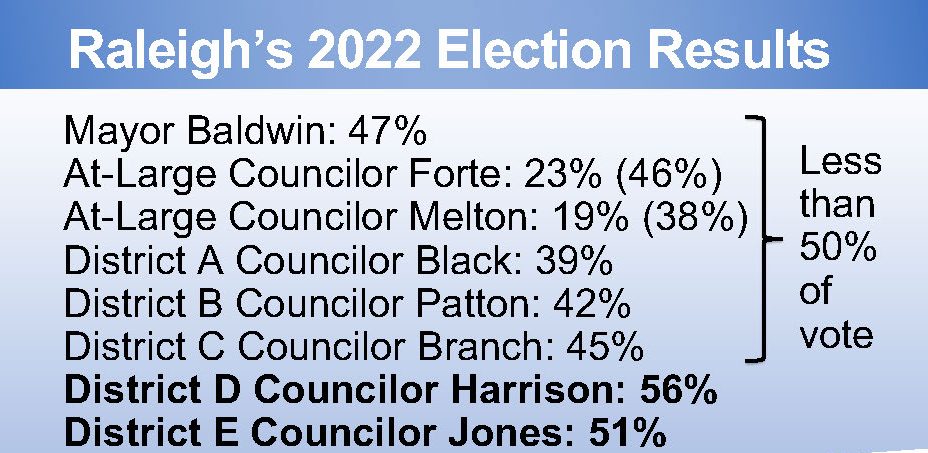
In the last election for Raleigh City Council, only 2 out of 8 races resulted in a winner that received 50% or more of the vote. This isn’t necessarily the fault of the candidates participating in these races, rather this is the consequence of a plurality election with no chance for a run-off. Raleigh’s home rule charter gives the City Council the power to implement a nonpartisan primary that could be held at the same time as the state and national primaries.