

More news…
Raleigh must demonstrate it can deliver projects already promised.
Raleigh has legitimate transportation needs, and I support responsible investment in roads, sidewalks, and safety. But the City should first provide a transparent accounting of the 2017 bond, demonstrate better project-cost and schedule management, and explain the expected benefits of the proposed spending. I’m not against transportation improvements. I am against approving another $101.5 million before the City has made a sufficiently convincing case for how it will spend the money and deliver the promised results.
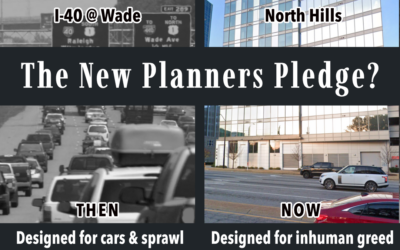
When Will City Planners & City Councilors Learn From Their Mistakes?
The Planners Pledge is a serious document, including a formal apology for the role planners played in creating the most inhospitable elements of our cites, including car dependent sprawl and its host of toxic environmental and health maladies. For those who resisted the legions of planning professionals and their transportation cohorts, the newly-discovered wisdom of designing cities for people and not cars has come much too late and has been replaced by a new and equally pernicious monetization of our lives.
Unfortunately, the planning profession’s old mantra of suburban mobility planning under the influence of the automobile industry has been replaced with a new mantra of density everywhere, under the influence of corporate real estate financialization.
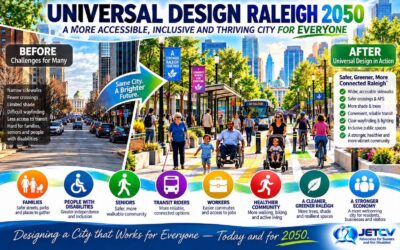
This is the power of Universal Design
What if Raleigh had an opportunity to become a national leader in accessibility, safety, and inclusion by adopting Universal Design as a citywide policy? The goal is not simply to meet the minimum requirements of the Americans with Disabilities Act. It is to create a city where accessibility, safety, and inclusion are considered from the very beginning of every project rather than after problems have already occurred.
October 20, 2026 City Council Meetings
Highlights from the October 20 work session and afternoon council meeting
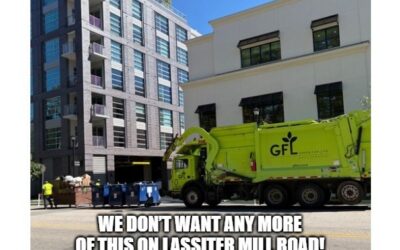
Don’t Let Kane Realty Trash Midtown Raleigh!
When you’re a billionaire developer and want something from the public, why bother with obeying the law and showing due respect for your neighbors when it’s easier and more profitable to dispense with public review and successfully lobby the General Assembly to change the law? This is a story about a betrayal of our Midtown neighborhoods, but there is a message here for all our neighbors in Raleigh. I urge all residents of all the diverse communities within the City to read and take note.
An open planning process encourages buy-in
Two recent development issues have drawn a lot of public attention, the future of our water supply, and how we are to manage requests to bring data centers into our community. These are terrifically complicated issues, and during my career in public service working with all 100 counties and 99% of the 553 municipalities, I found that the best chance to make wise decisions depends on listening to both the professionals and the lay people who come before you. In many cases there is far more to know than any single one of us knows, that is why the input of the public is so important. An open planning process encourages citizen participation and buy-in. A closed process engenders suspicion and lack of compromise. Keep both of these processes in the daylight and allow the public to help you make wise decisions.
October 13 City Council Meetings
Work session covered success of organic food composting pilot and an update on 2022 Parks Bond projects. Public comments focused on
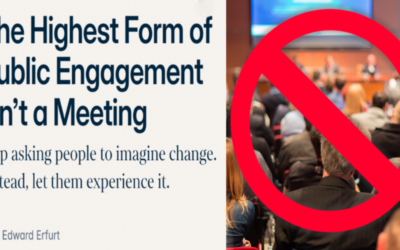
The Highest Form of Public Engagement Isn’t a Meeting
There’s a reason cities cling to this model which has little to do with genuine participation. Public meetings are risk management. They give agencies something to point to later: “The public had every opportunity to provide input,” or, “This design reflects what we heard through our engagement process.” The meeting was never meant to change the outcome. It was meant to protect the decision-maker. That’s not engagement. That’s preemptive deflection.
Raleigh Transportation: Questions worth asking!
IS THIS HOW YOU WOULD WANT YOUR MOTHER, FATHER, GRANDPARENT, OR SOMEONE YOU LOVE WITH A DISABILITY TO BE TREATED?
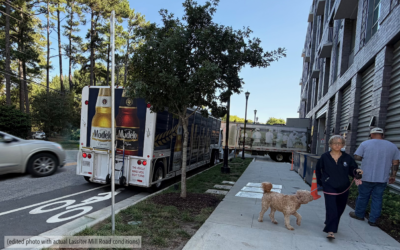
Don’t Turn Lassiter Mill Road Into an Unsafe Service Road
A developer wants to build a 15-story building on Lassiter Mill Road at North Hills. Instead of putting shops or restaurants on the ground floor with windows you can look into, they want to build giant blank walls with huge garage doors. This space would be used for trash pickup, heavy equipment, and large tractor-trailer trucks driving in and out at all hours. Neighbors worry this will make Lassiter Mill Road dangerous for people walking, riding bikes, or driving.
City Council Meetings October 6, 2026
Highlights from October 6 Raleigh City Council meetings
Offsides: is this development getting ahead of infrastructure?
Before approving Z-43-25, I respectfully ask Council to require a meaningful examination of emergency access, overflow parking, Johnsdale Road capacity, school-event traffic, pedestrian movement and evacuation conditions. The question is not simply whether the proposed development can accommodate its own residents under normal conditions.
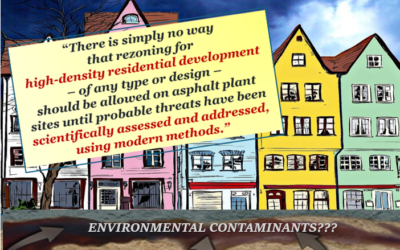
Raleigh: Asphalt Jungle?
The issue of persistent toxic pollution at abandoned industrial sites is not a site design problem. There is simply no way that rezoning for high-density residential development – of any type or design – should be allowed on asphalt plant sites until probable threats have been scientifically assessed and addressed, using modern methods.
INDY Week’s Best of Triangle 2026 – VOTE NOW!
Vote for Livable Raleigh
– Best Local Activist Group in the Triangle
and
– Best Local Cause / Nonprofit Impact Award
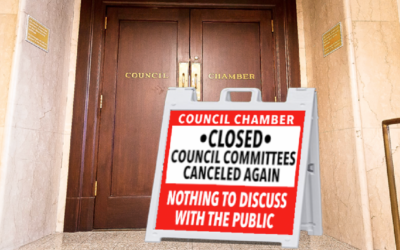
Council Committees have basically stopped meeting. Closing off public access.
Council Committees are scheduled to meet monthly to review policies, vet proposals and take public input before items go to the full council. These committee meetings are cancelled more often than not. Three of the four committees stopped meeting entirely in 2026.
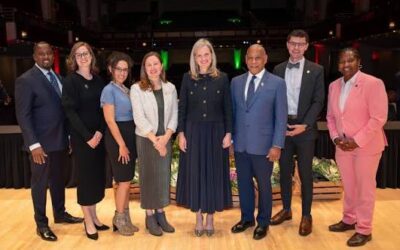
September Council Retreat
Highlights from the Council’s two-day retreat
Livable Raleigh Named Best of Wake County by INDY Readers for 4th time
INDY Week Readers Name Livable Raleigh Best Local Activist Group – Wake County and Best Local Cause / Nonprofit Impact Award – Wake County. Our sincere thanks to everyone who participated in the event. We pledge to continue bringing you the kind of local activism you appreciate.
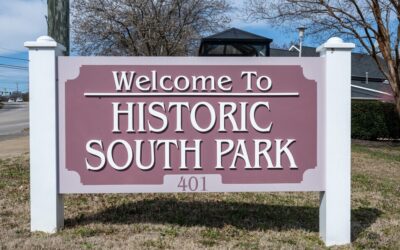
PROTECT THE SCALE OF SOUTH PARK – PUBLIC HEARING
South Park neighbors deserve to know what we are being asked to give up before we know exactly what will replace it. Removing the overlay first – without a specific development plan showing our neighbors what will actually be built – asks our community to surrender protections now and evaluate the consequences later.
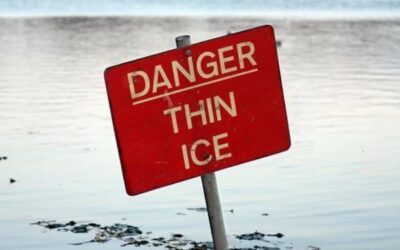
Stay Off the Thin Ice of Spot Zoning
honor the process, honor the public plan. Protect our publicly identified Historic and Neighborhood Character districts. Stay off of the thin ice of spot zoning.
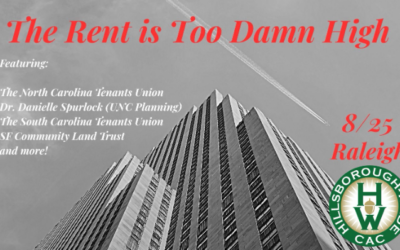
The Rent is Too Damn High – Video is here
Hillsborough-Wade CAC Affordable Housing Forum – The Rent is Too Damn High – watch the video