FY2027 Budget passed and highlights from June 9 Work Session and Public Comments
Protect our Residential Neighborhoods, Preserve NCODs
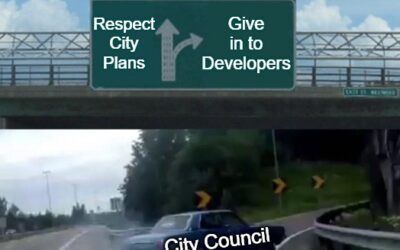
The City Planning Staff advocates on behalf of individual development interests. When was the last time Planning acknowledged any negative impact in their review of a zoning change request? Where is the advocacy for the people and for the plan they devised and adopted with stakeholder input?
June 1 & 2 City Council Meetings
Highlights from June 1 Budget Work Session and June 2 Afternoon & Evening Council meetings
May 19 City Council Meeting
Highlights from May 19 Raleigh City Council meeting, including information about a 1.7 cent property tax increase as well as various fee increases.
Livable Raleigh presents Affordable Housing Agenda to City Council
The city’s efforts to bridge the affordability gap have been swamped by the rise in housing costs and the teardowns of older, affordable homes. Two months ago, Livable Raleigh presented a plan to do better.
May 12 City Council Meetings
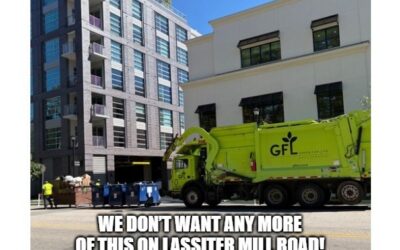
Work Session covered Energy Usage. Public comments focused on Z-43-25 rezoning, trees, public safety, solid waste services, and bike lanes.
May 5 City Council Meeting
Highlights from May 5 City Council meetings
Nicole Bennett, Former Planning Commission Chair – It’s Not Just a Rezoning
Why does “the greater good” so often require loss from the same communities? Why are the people who already rely on transit the ones most at risk of being displaced from it? What does it mean to build a transit corridor that the current riders might no longer be able to afford to live near? if the greater good keeps requiring that the same communities lose everything, perhaps we need to ask ourselves what “good” really means.
APRIL 21 CITY COUNCIL MEETINGS
Highlights from the April 21 work session and afternoon council meeting
It’s time to step back and evaluate if Raleigh’s growth framework is being applied as intended.
Neighborhood Conservation Overlay Districts were adopted as legislative tools to guide growth while preserving established neighborhood patterns. If the City believes these overlays require revision, that conversation should occur through a comprehensive, citywide process—not through the incremental removal of protections on individual parcels.