Highlights from the Council’s two-day retreat
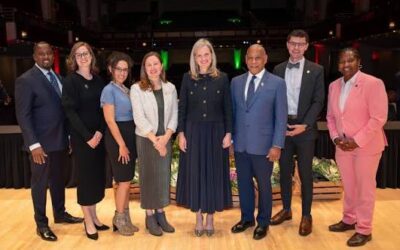
Highlights from the Council’s two-day retreat
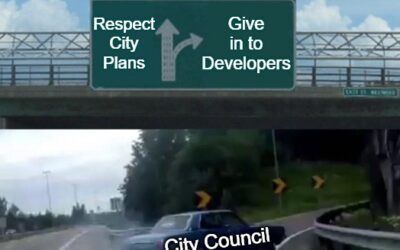
Raleigh’s Comprehensive Plan is designed to handle growth from 450,000 in 2015 to 580,000 by 2030. We may get to a population of 530,000 by 2030. There is no urgent need to upzone properties. We can handle the growth if you encourage development where you planned for it.
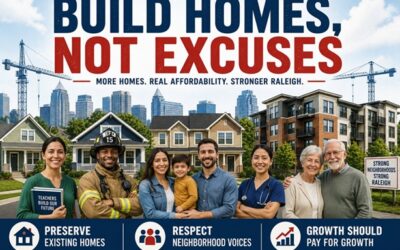
Growth should not become a blank check for developers or a tax burden for existing residents. We must respect neighborhood voices. Public input should not be treated as an obstacle. It should be part of better planning.
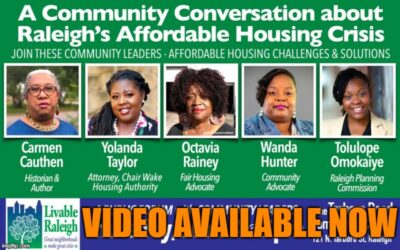
More than 75 residents gathered June 4 at the Tarboro Road Community Center for a Livable Raleigh forum on the city’s affordable housing crisis, where five longtime community leaders shared recommendations for addressing displacement and preserving affordable communities. If you weren’t able to attend you can watch the video now.
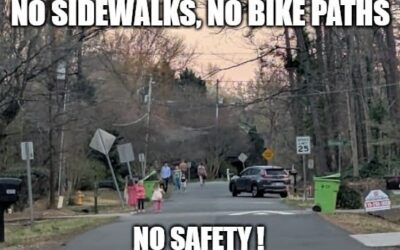
Eight neighbors from Litchford Forest spoke at the Public Comment Session asking City Council to uphold the decision of the Planning Commission which voted 8-1 to DENY rezoning case Z-43-25.
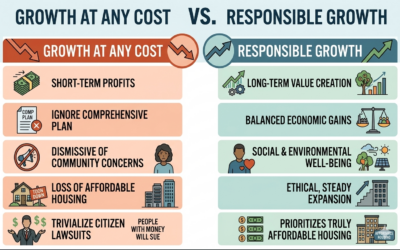
The choice is not between density everywhere anywhere and slow growth. The answer lies in responsible growth.
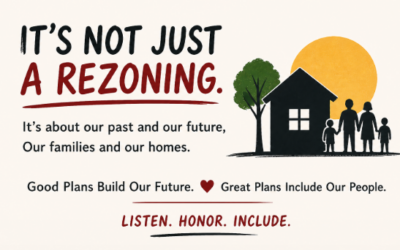
Why does “the greater good” so often require loss from the same communities? Why are the people who already rely on transit the ones most at risk of being displaced from it? What does it mean to build a transit corridor that the current riders might no longer be able to afford to live near? if the greater good keeps requiring that the same communities lose everything, perhaps we need to ask ourselves what “good” really means.
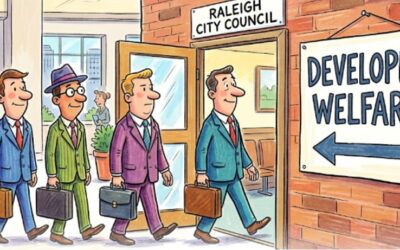
Raleigh adopted a carefully thought-out and comprehensive rezoning of the entire City just 10 years ago which was and is designed to handle the growth we are now experiencing. But, Raleigh incentivizes speculators and hustlers to find cheaper and less densely zoned land not in the core of downtown and then rezone it because the city will rezone almost anything so long as you commit to building more density whether affordable or not.

Growth is inevitable, it can be transformative; it’s up to us to see that it isn’t destructive. Zoning and land use planning are the tools we use to meet this challenge.
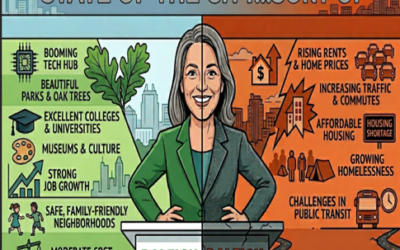
“We’re growing! we’re glowing!” the press release says. The Mayor’s got plans and a very nice suit, Telling us Raleigh is “ripening fruit.” Just remember, dear Leader, amidst all the hype: If you don’t fix the potholes, the fruit’s overripe.