Work session covered success of organic food composting pilot and an update on 2022 Parks Bond projects. Public comments focused on
Work session covered success of organic food composting pilot and an update on 2022 Parks Bond projects. Public comments focused on
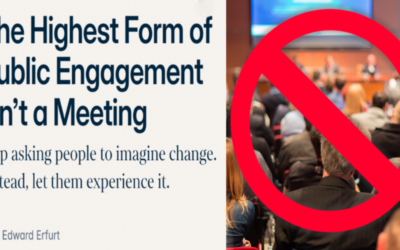
There’s a reason cities cling to this model which has little to do with genuine participation. Public meetings are risk management. They give agencies something to point to later: “The public had every opportunity to provide input,” or, “This design reflects what we heard through our engagement process.” The meeting was never meant to change the outcome. It was meant to protect the decision-maker. That’s not engagement. That’s preemptive deflection.
IS THIS HOW YOU WOULD WANT YOUR MOTHER, FATHER, GRANDPARENT, OR SOMEONE YOU LOVE WITH A DISABILITY TO BE TREATED?
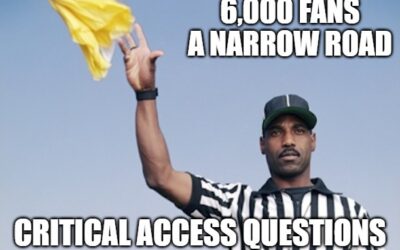
Before approving Z-43-25, I respectfully ask Council to require a meaningful examination of emergency access, overflow parking, Johnsdale Road capacity, school-event traffic, pedestrian movement and evacuation conditions. The question is not simply whether the proposed development can accommodate its own residents under normal conditions.
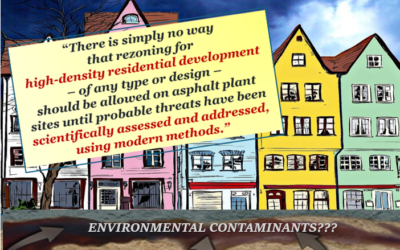
The issue of persistent toxic pollution at abandoned industrial sites is not a site design problem. There is simply no way that rezoning for high-density residential development – of any type or design – should be allowed on asphalt plant sites until probable threats have been scientifically assessed and addressed, using modern methods.
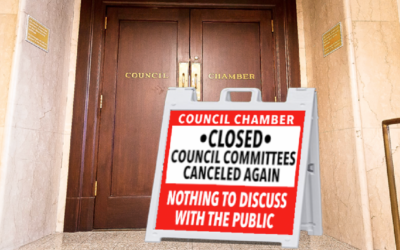
Council Committees are scheduled to meet monthly to review policies, vet proposals and take public input before items go to the full council. These committee meetings are cancelled more often than not. Three of the four committees stopped meeting entirely in 2026.
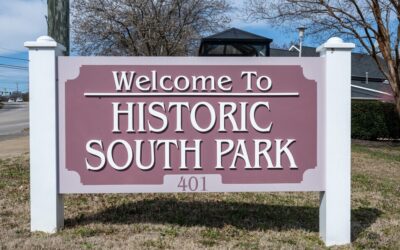
South Park neighbors deserve to know what we are being asked to give up before we know exactly what will replace it. Removing the overlay first – without a specific development plan showing our neighbors what will actually be built – asks our community to surrender protections now and evaluate the consequences later.
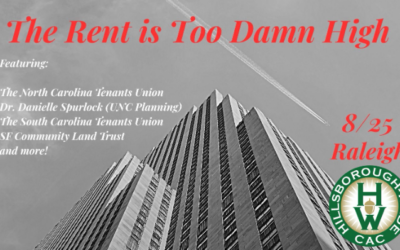
Hillsborough-Wade CAC Affordable Housing Forum – The Rent is Too Damn High – watch the video
Highlights from September 15 Work Session and Afternoon Session
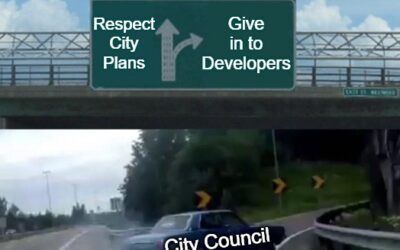
Raleigh’s Comprehensive Plan is designed to handle growth from 450,000 in 2015 to 580,000 by 2030. We may get to a population of 530,000 by 2030. There is no urgent need to upzone properties. We can handle the growth if you encourage development where you planned for it.