Highlights from the Council’s two-day retreat
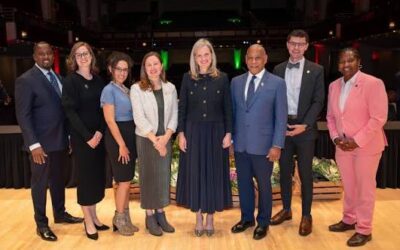
Highlights from the Council’s two-day retreat
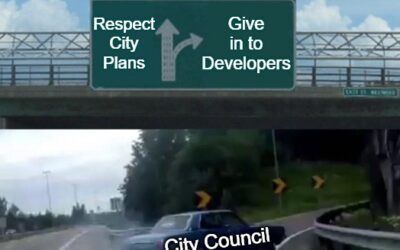
Raleigh’s Comprehensive Plan is designed to handle growth from 450,000 in 2015 to 580,000 by 2030. We may get to a population of 530,000 by 2030. There is no urgent need to upzone properties. We can handle the growth if you encourage development where you planned for it.
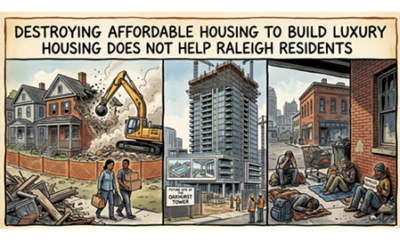
Our housing crisis is not going to be solved by the wonton demolition of naturally existing affordable housing to turn it over to luxury housing. Our public transportation goals are not going to be supported by creation of more luxury housing with large off-street parking pads and two or three car garages occupying the first floor.
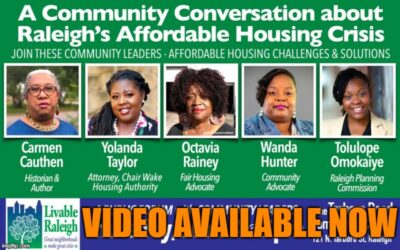
More than 75 residents gathered June 4 at the Tarboro Road Community Center for a Livable Raleigh forum on the city’s affordable housing crisis, where five longtime community leaders shared recommendations for addressing displacement and preserving affordable communities. If you weren’t able to attend you can watch the video now.
The city’s efforts to bridge the affordability gap have been swamped by the rise in housing costs and the teardowns of older, affordable homes. Two months ago, Livable Raleigh presented a plan to do better.
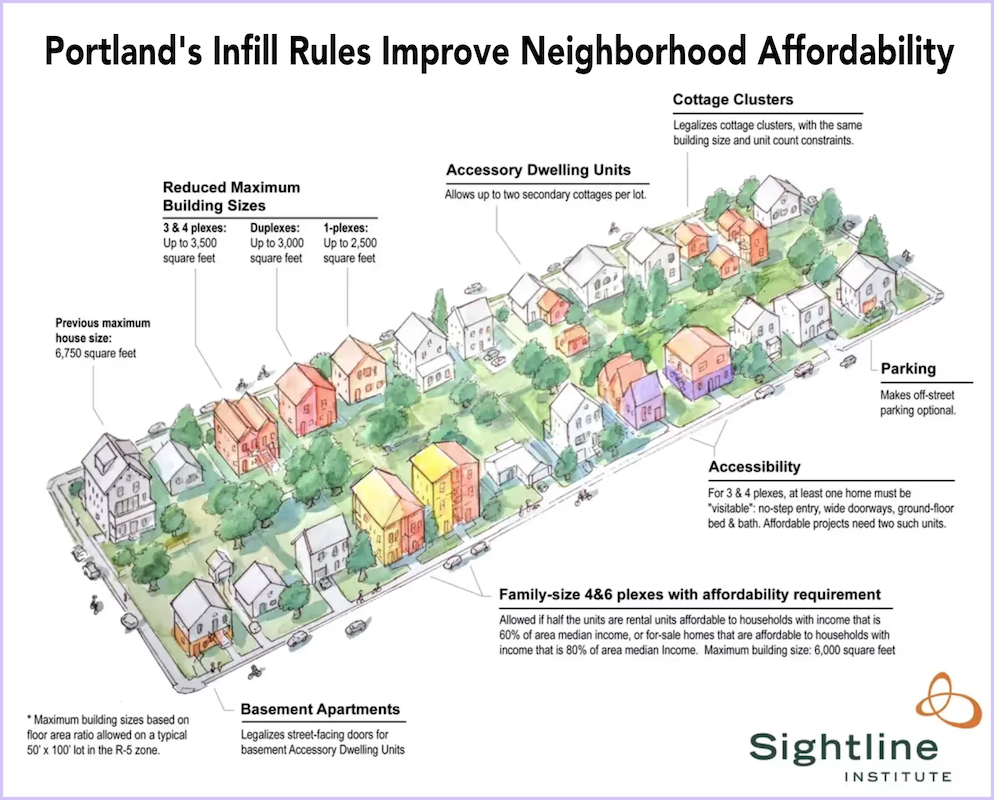
Allowing more smaller, affordable units on a lot that would otherwise contain one expensive unit has clearly hit a sweet spot with Portland builders and affordability advocates. Portland’s housing reforms aren’t a silver bullet, but they are a powerful reminder to Raleigh that well-designed policies can produce affordable, human-scaled homes in Raleigh neighborhoods people already love.
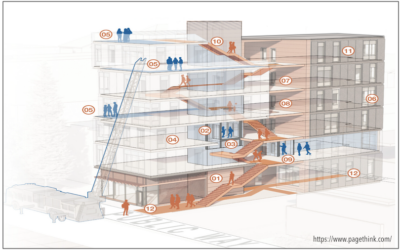
Livable Raleigh recommends adding these two NC Building Code Amendments to the City of Raleigh’s Legislative Agenda: adopt global elevator standards and permit single stairway buildings. Both of these code reforms are gaining traction in the United States. They open up new opportunities for moderately scaled apartment and condo buildings in walkable urban settings that are more affordable and more accessible without sacrificing building safety.
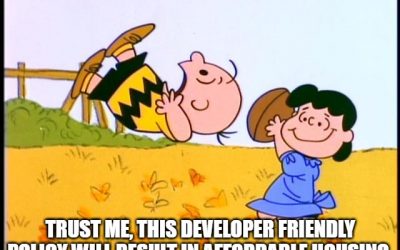
The most devastating loss of affordable housing in the past 20 years has been the city constantly greenlighting the destruction of vast numbers of small brick ranches, duplexes and mom and pop apartment buildings in the older parts of town to give way for McMansions and “luxury” apartment towers.

When a developer asks for support from council, there were to be significant benefits to the community, but we the voters get only Astroturf, artwork, and a bench? Other cities have received ice skating rinks and, at a minimum, public bathrooms. The council needs to get developers to provide infrastructure and get significant benefits as it says in the plan. It seems easy for you to say no to voters, so try exercising some of that courage with the developers.
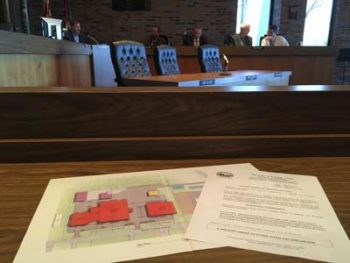
Highlights from the 10/14/2025 Planning Commission Meeting