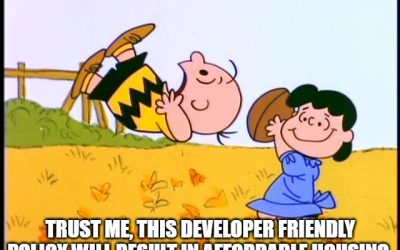
Reeves Peeler builds on a widely publicized article by Strong Towns leader Chuck Marohn who argues that new housing can make rents lower than they otherwise would have been, but that is not the same as producing homes people can afford. Peeler agrees that more housing supply is needed for a growing population, but that the root cause of unaffordability is our nation’s rising income/wealth inequality, not a lack of housing supply. Peeler’s data show that despite housing supply keeping up with population in Wake County, total rental cost burdens for Wake County residents have exploded. He concludes, like Marohn, that focusing on supply will not bring about the needed widespread affordability our nation requires in order to lower homelessness, raise health and education outcomes, and ensure every American can lead a prosperous life.
When Will City Planners & City Councilors Learn From Their Mistakes?
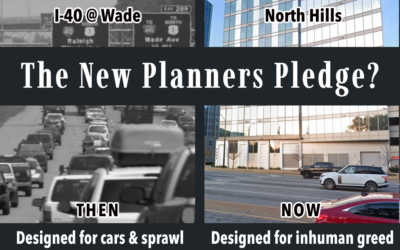
The Planners Pledge is a serious document, including a formal apology for the role planners played in creating the most inhospitable elements of our cites, including car dependent sprawl and its host of toxic environmental and health maladies. For those who resisted the legions of planning professionals and their transportation cohorts, the newly-discovered wisdom of designing cities for people and not cars has come much too late and has been replaced by a new and equally pernicious monetization of our lives.
Unfortunately, the planning profession’s old mantra of suburban mobility planning under the influence of the automobile industry has been replaced with a new mantra of density everywhere, under the influence of corporate real estate financialization.
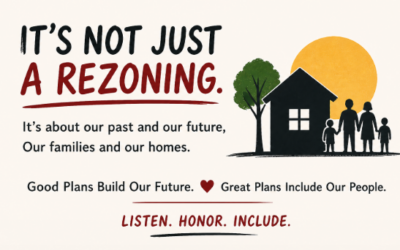
Nicole Bennett, Former Planning Commission Chair – It’s Not Just a Rezoning
Why does “the greater good” so often require loss from the same communities? Why are the people who already rely on transit the ones most at risk of being displaced from it? What does it mean to build a transit corridor that the current riders might no longer be able to afford to live near? if the greater good keeps requiring that the same communities lose everything, perhaps we need to ask ourselves what “good” really means.
Raleigh resident writes to Council about Budget Priorities
When you just announced a $13 million budget shortfall and probable property tax increase, it is irresponsible to spend money on a poet laureate.
The Goal is Development without Displacement
The public housing at Heritage Park serves some of Raleigh’s lowest-income families. Any effort to expand housing opportunities must continue to ensure: *No loss of deeply subsidized units *A meaningful right to return for current residents *Continued income-based rents *Protection against displacement *Preservation of community identity
Zoning consistency is foundational to confidence in land-use policy
The King Charles NCOD was adopted to preserve Raleigh’s first planned subdivision east of downtown. Neighborhood Conservation Overlay Districts are legislative commitments. They represent a balancing of growth and preservation through deliberate policy. Their credibility depends on predictability. If an overlay can be removed parcel-by-parcel when redevelopment pressure rises, its long-term stability becomes uncertain.
Raleigh is playing the “We Care” card
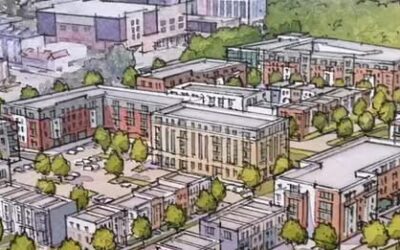
The most devastating loss of affordable housing in the past 20 years has been the city constantly greenlighting the destruction of vast numbers of small brick ranches, duplexes and mom and pop apartment buildings in the older parts of town to give way for McMansions and “luxury” apartment towers.
Livable Raleigh’s Vision for Raleigh’s Sustainable and Equitable Growth
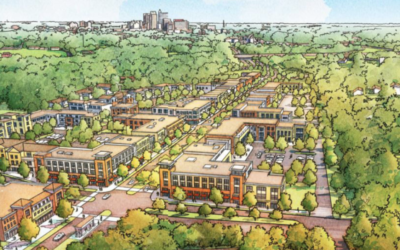
Raleigh is growing rapidly. Where are we headed? Most Raleighites like the idea of growth that is more economical, environmental and equitable. To succeed, we’ll have to grow in ways and in locations that bring fewer cars, more trees and more equitable prosperity.
The Duty of City Council
The late great James West served on this Council from District C for ten years. Dr. West said “It is not the duty of City Council to ensure developer profits. The duty of City Council is to serve all the citizens of Raleigh, to improve their quality of life.”
City Council Meetings May 13, 2025
HIGHLIGHTS Shared results of Social City Assessment study and Traffic and Safety Study in Glenwood South. The Social City Assessment consultant seemed to be biased toward businesses rather than residents. These issues will be discussed further in May 27 meeting of...