
January 14, 2025 City Council Meetings
Council discussed the strategic plan during the afternoon work session and heard public comments in the evening.

Council discussed the strategic plan during the afternoon work session and heard public comments in the evening.
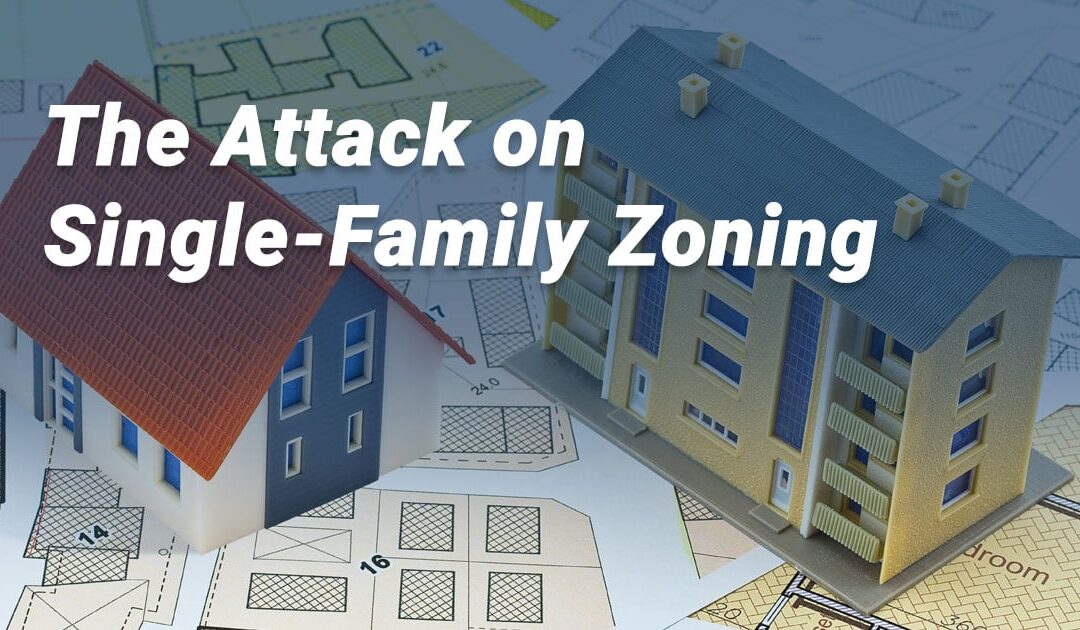
I have experience valuing homes that are next to duplexes, fourplexes and apartment buildings; I see what’s happening in these neighborhoods. Once zoning is changed from single-family to multi-family, developers move in and start competing against families for older homes. Unfortunately, the builder always wins because they have more money and are willing to pay cash. Homes, perfect for a starter family or in need of being rehabbed will be purchased by a developer who will tear the house down to make way for a new multi-unit building on a small 5,000-square-foot site. (It’s called the highest and best use of the land). The moment construction starts, the value of a nice condition single-family home next door goes down; the appraisal term is called external obsolescence. Welcome to capitalism in America.
Highlights from the January 7, 2025 City Council meeting

The city is starting to write a new Comprehensive Plan, When adopted, it will replace the current 2030 Comp Plan, which was adopted in 2013 after several years of public input and dialogue. What is a Comp Plan? It’s a set of policies meant to guide every decision made by city leaders.
Community engagement for the 2025 / 2026 Raleigh Budget has started. I attended the first virtual session in December, not October, thinking that they would actually engage with the audience. Instead, input was gathered through a number of questions, rather than an informative session and discussion with the public to gather more information about resident priorities and needs. My session had a well educated audience, yet little time was afforded for actual public input.

When I first joined City Council I met advocates who introduced me to the idea of developing a white water rafting facility in the Neuse River near Falls dam. I was initially enthusiastic about the idea to add recreation to the river. However, as I learned more, I realized the tremendous negative impacts such a facility could have on the wildlife that depend on the river.

INDY Week, please stop referring to me as anti-development. You refer to me as “Livable Raleigh co-founder Stef Mendell, who ran on an anti-development platform.” This has got to stop. I am not and have never been anti-development. And neither is Livable Raleigh. Let’s try to work together and find reasonable ways to accommodate appropriate development. Labeling individuals or groups as anti-development only furthers polarization.
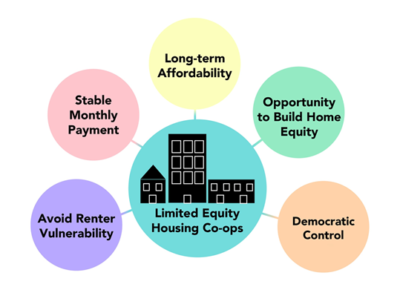
Nearly half of the housing stock in Raleigh is rental housing and much of the affordable housing efforts by the city have been gap financing for affordable rental units. I think there needs to be a greater focus on creating dense, affordable, multi-family home ownership opportunities, and I think the best way to go about this is by incentivizing and/or subsidizing the creation of limited equity housing cooperatives.
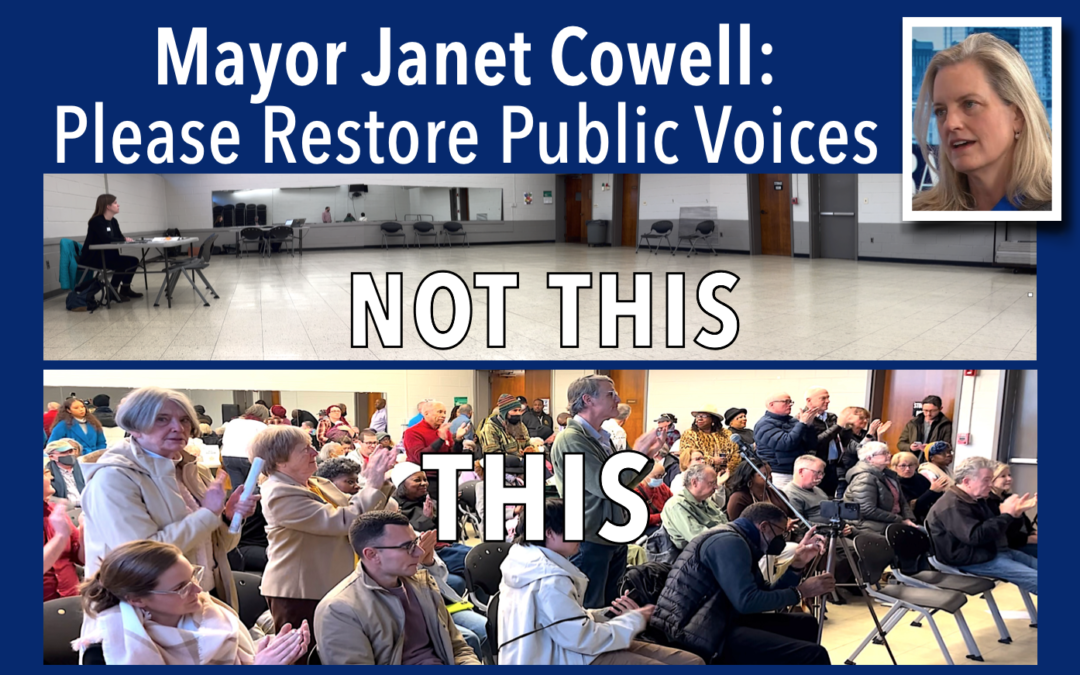
Open letter to Mayor Cowell. Our proposal is a simple one: Council should not vote immediately after the hearing on the matter addressed by the hearing. Instead, it should take time to consider what the hearing was about, and what was said – and give the public a chance to think about it also, and to react.

Highlights from the December 3, 2024 City Council meeting
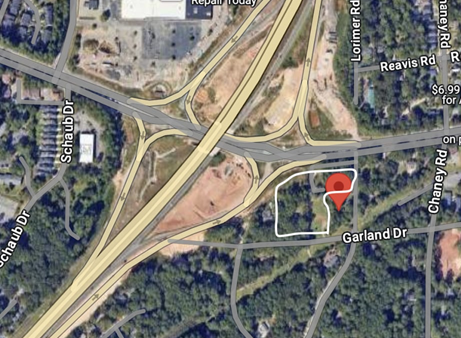
Neighbors are generally supportive of affordable housing, stating “Given Raleigh’s commitment to providing affordable housing, … eventually an affordable housing development will probably be placed on this site. Our efforts are to assure that a smaller number of units will be allowed and thus the development will be more compatible with our neighborhood and the environment.”

Homeowners being sued by a builder in Woodcrest. This lawsuit is made possible by the City Council which allows major developments without neighborhood input or process and rezoned the missing middle without providing protections in established neighborhoods.
Highlights from November 19, 2024 City Council meeting.

An article like the one in the N&O (11/17/2024) about Mary-Ann Baldwin’s self-described “record of progress” is to be expected but there is a lot to unpack here that could help give the new mayor of Raleigh Janet Cowell some direction.
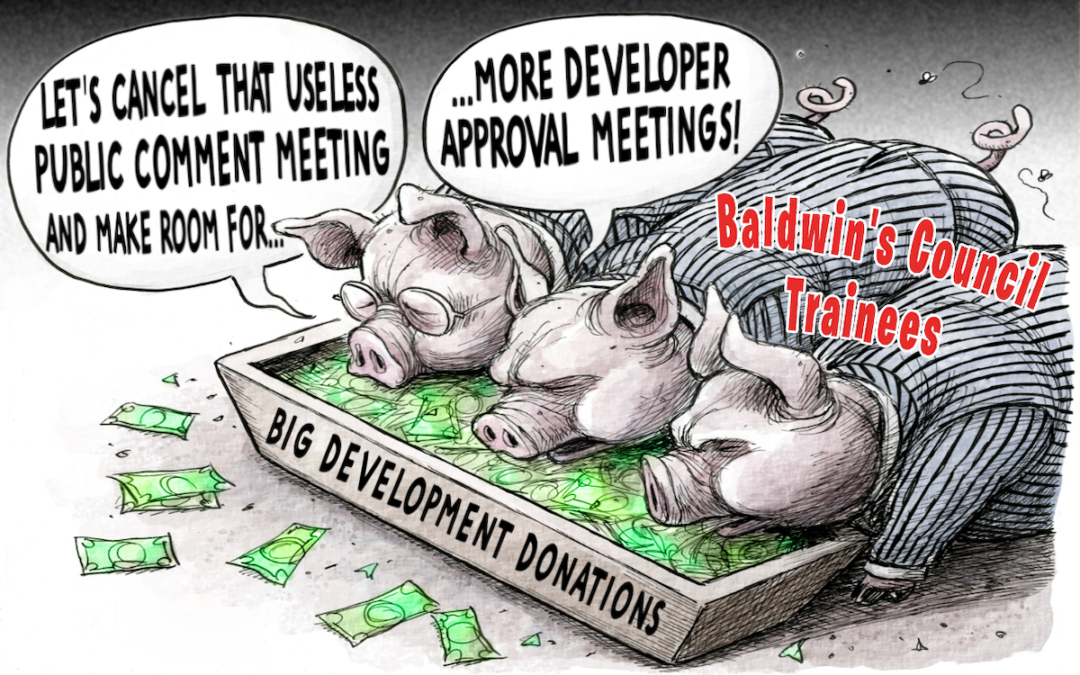
Councilors cringed at Baldwin’s childish bullying. But, most voted with her anyway, packing one last council meeting full of developer approvals while cancelling the public’s last comment opportunity. So much for improving public engagement councilors!

On May 7th of this year City Council voted to switch to 4-year staggered terms without putting the issue on the ballot for voters to decide, effectively buffering city council from the corrective action of Raleigh residents’ voting power. While I have heard and respect the arguments in favor of 4-year terms, it should be voted on by residents.
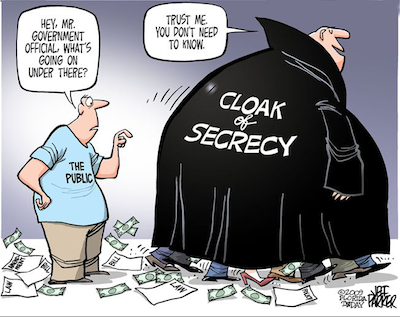
No one wants to be told their street is going to transform in the next five years, and there’s no way for them to even voice their thoughts and concerns. This pattern of transformation is going to take place, how we guide it is what’s most important. By adapting the zoning code to ensure that everyone comes together, working for the MUTUAL benefit of our city and its housing supply is not some far fetched ambition, but should be the baseline; the bare minimum respect shown to Raleigh’s amazing people. Transparency and working together is what is needed for beneficial growth. It is what the people of our city want.
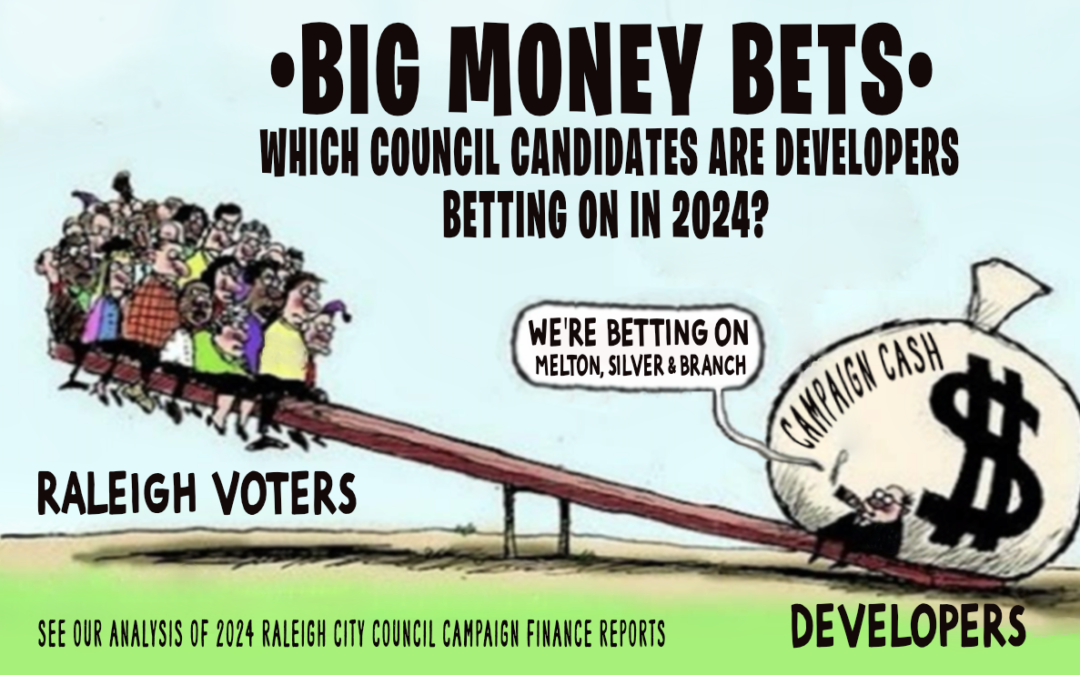
In the race for the top developer donations, Raleigh City Council candidates Jonathan Melton, Mitchell Silver or Corey Branch, are the clear developer favorites. Livable Raleigh’s analysis of NC Campaign Finance Reports show that more than 50% of these candidates’ donations – over $88,000 for Melton and $72,000 for Silver – came from development industry donors alone, with many individuals giving the maximum $6,400. One thing is certain: developers don’t hand out thousands of dollars in donations unless they expect serious payback. And sadly, it shows.

Livable Raleigh’s new 2024 citywide poll of registered Raleigh voters conducted by nationally recognized professional polling firm Public Policy Polling was published Tuesday, July 23. You can read our press release here: Voter confidence falls
There are some disturbing trends highlighted in the results in 2024 as compared to 2022. Here we compare 5 questions that were asked in 2022 and asked again in 2024: