May 12 City Council Meetings
Work Session covered Energy Usage. Public comments focused on Z-43-25 rezoning, trees, public safety, solid waste services, and bike lanes.
Work Session covered Energy Usage. Public comments focused on Z-43-25 rezoning, trees, public safety, solid waste services, and bike lanes.
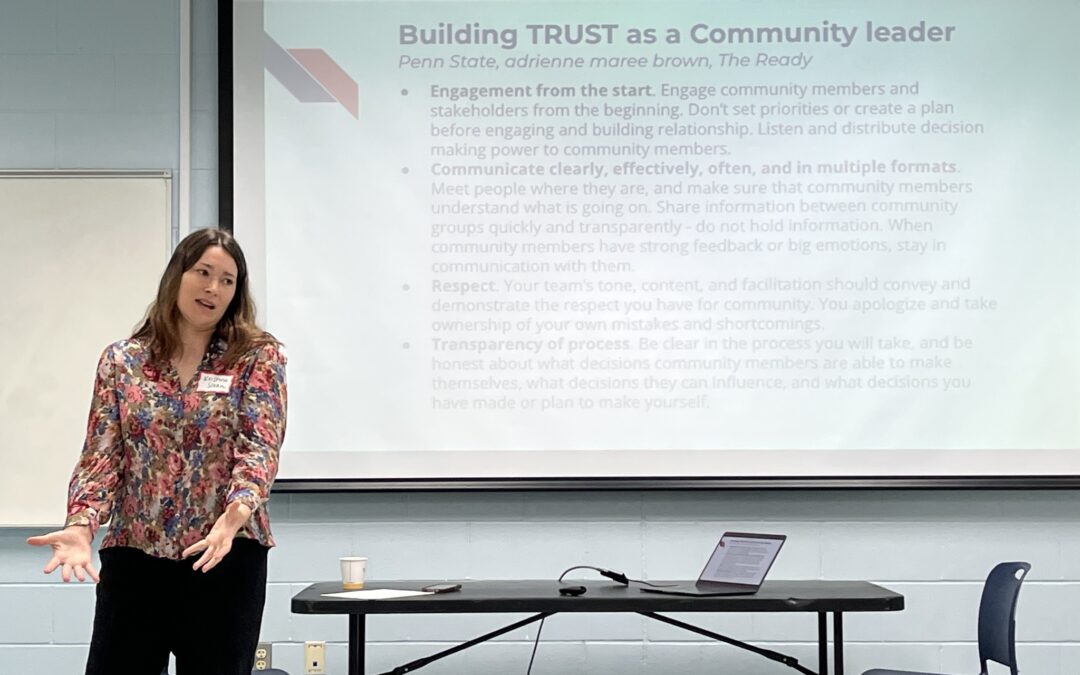
Saturday, April 25, was another turning point for the CACs in Raleigh. For the first time in nearly 10 years, the Raleigh Citizens Advisory Council (RCAC) gathered for a spring retreat, a milestone in our mission to restore and revitalize the partnership between residents and City Hall.
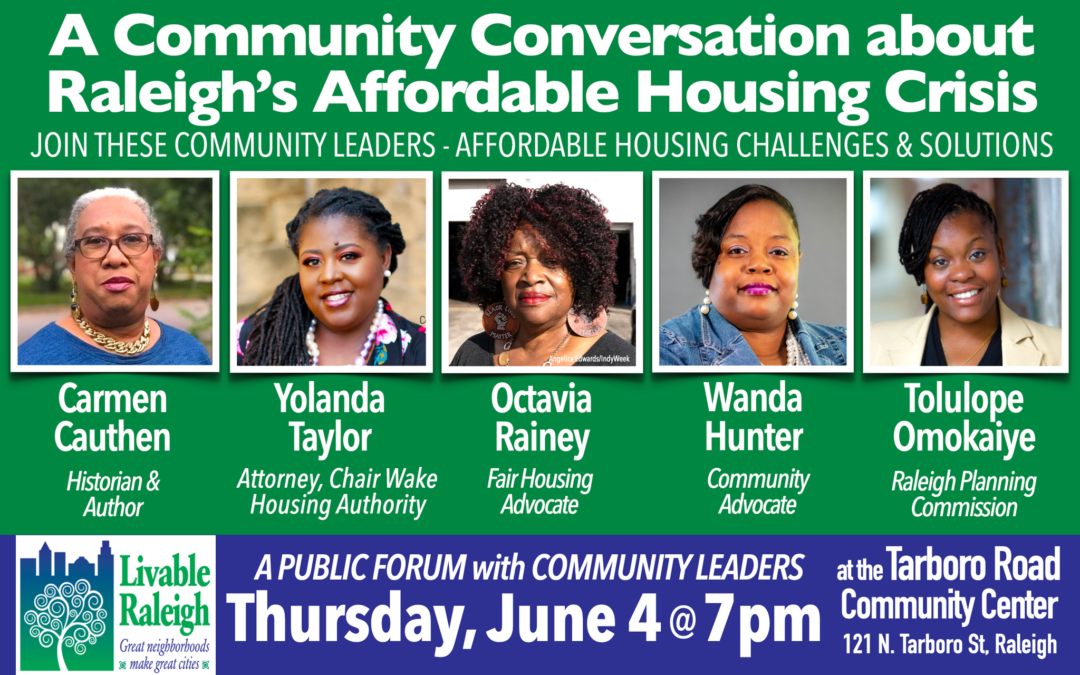
Join us for a community conversation about Affordable Housing
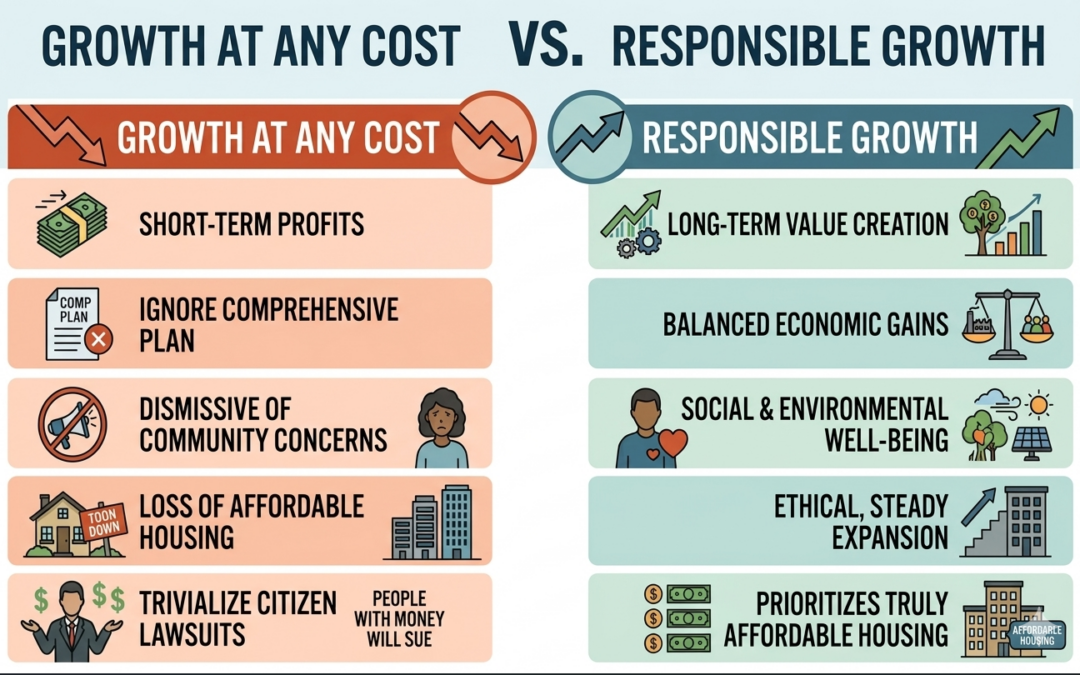
The choice is not between density everywhere anywhere and slow growth. The answer lies in responsible growth.
Highlights from May 5 City Council meetings
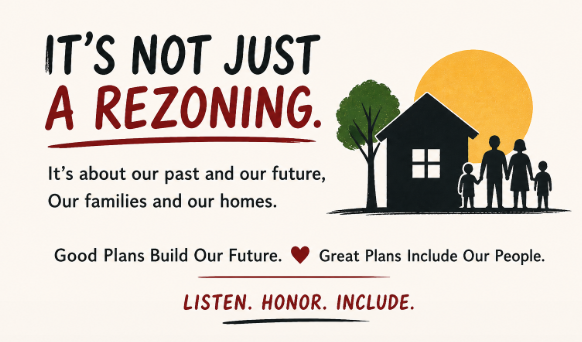
Why does “the greater good” so often require loss from the same communities? Why are the people who already rely on transit the ones most at risk of being displaced from it? What does it mean to build a transit corridor that the current riders might no longer be able to afford to live near? if the greater good keeps requiring that the same communities lose everything, perhaps we need to ask ourselves what “good” really means.