
Suppression, Displacement and Conflicts of Interest
When residents are telling you that your project is causing gentrification and displacement, your response should not be to double down and steamroll the people.

When residents are telling you that your project is causing gentrification and displacement, your response should not be to double down and steamroll the people.
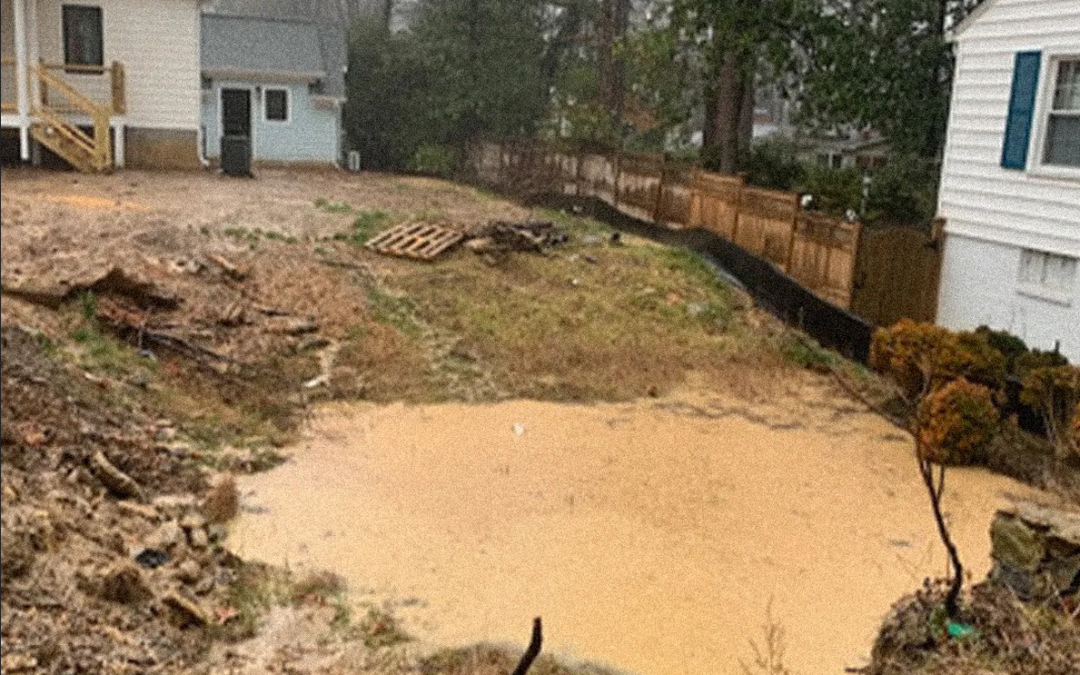
As density increases, the need for conscious, deliberate stormwater and other utility planning also increases. Instead, three years ago, the city decided to allow individual developers to do as they please “as of right.” Now the city denies any responsibility for the predictable mayhem that is resulting. My neighbor’s flooding is just one real-world example of the problems that occur when the city abandons its responsibility for strategic growth planning and oversight, and instead deregulates development.
It’s time to step back and re-assess the likely impacts of BRT and TOD on established neighborhoods and identities instead of relying on the desired, but unproven outcomes pitched by those who stand to make a business profit.

With the implementation of the new comprehensive plan and UDO, Phil believed there was a real opportunity for a more predictable and efficient process. Today, unfortunately, rather than following approved plans, everything seems negotiable. This undermines the whole idea of predictability and erodes the trust in the review processes and in city leadership.
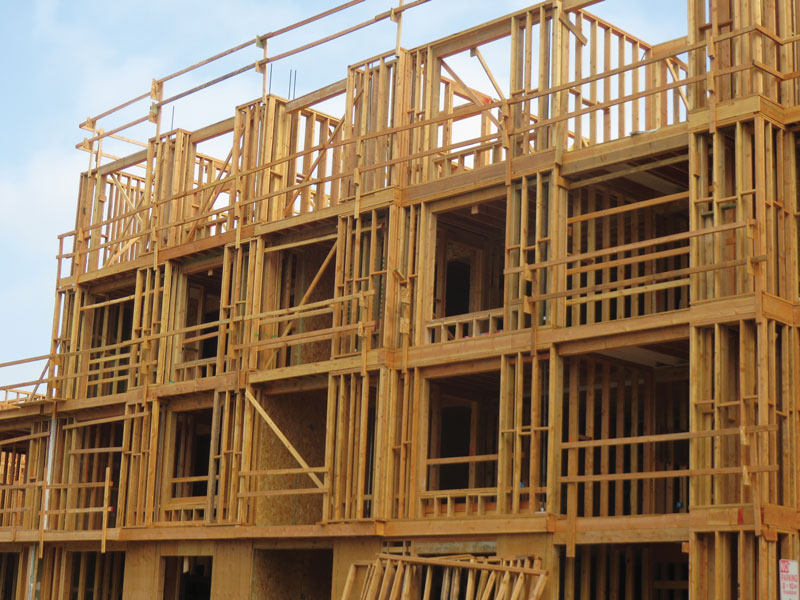
In the More Homes, More Choices presentations, Patrick Young admits that the Missing Middle will not create housing that becomes affordable until at least one to two generations after it is built.
Tonight, I have given Council members a draft framework for creating housing that will be more affordable than what is being built under the guise of the Missing Middle.