
Yolanda Taylor replies to being labeled a dissenter by the media
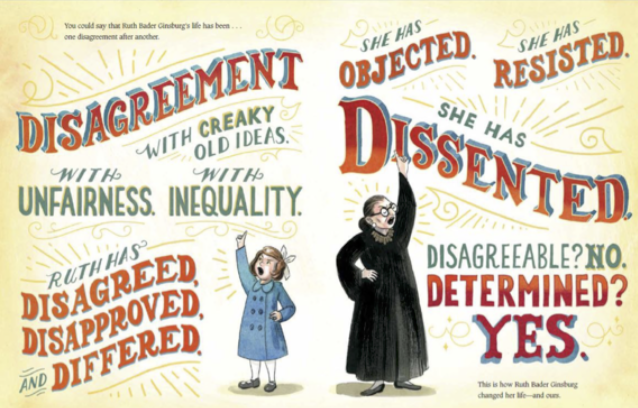
Well, as a labeled dissenter of the Mayor of Raleigh by a newspaper, I would like to congratulate the grassroots groups that worked hard to ensure a check in power on the way Raleigh grows going forward. It was disheartening to see journalists and certain nonprofit groups describe the fight to be included in development decisions as “anti-growth.” These anti-democratic statements came often from ostensibly progressive / liberal people who even called those demanding affordable housing NIMBYs.
Fewer Homes, Fewer Choices
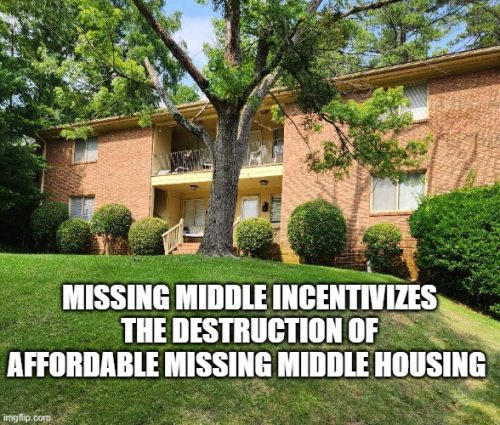
This development illustrates, once again, the misapplication of the Missing Middle in Raleigh. It reflects the conclusion of the nonprofit Urban Institute that Missing Middle type zoning changes, in cities across the country, do nothing to increase the housing supply for middle, or lower-income citizens. Nor do they reduce rents. The changes have proven to have only a small effect, which is to increase housing supply for the most affluent.
Councilor Branch steps up, maybe
We commend Councilor Branch for recognizing that the Missing Middle policy is not working as intended and that there are problems with it that need to be fixed. We challenge Branch’s fellow councilors to join with him to take positive action to stop these undesirable, incompatible projects.
Population Growth & Housing Deficits
In response to the 17,000 unit deficit I noted that between Dec 2019 and Mar 2023 Raleigh’s City Council approved zoning cases for over 70,000 residential units. Over 4 times the reported deficit. Unless those cases were speculative and only to raise the property values for resale purposes, Raleigh is NOT lacking the entitlement to build residential units.