by T N | Oct 18, 2026 | Blog
Two recent development issues have drawn a lot of public attention, the future of our water supply, and how we are to manage requests to bring data centers into our community. These are terrifically complicated issues, and during my career in public service working with all 100 counties and 99% of the 553 municipalities, I found that the best chance to make wise decisions depends on listening to both the professionals and the lay people who come before you. In many cases there is far more to know than any single one of us knows, that is why the input of the public is so important. An open planning process encourages citizen participation and buy-in. A closed process engenders suspicion and lack of compromise. Keep both of these processes in the daylight and allow the public to help you make wise decisions.

by T N | Oct 9, 2026 | Blog
IS THIS HOW YOU WOULD WANT YOUR MOTHER, FATHER, GRANDPARENT, OR SOMEONE YOU LOVE WITH A DISABILITY TO BE TREATED?
by T N | Oct 4, 2026 | Blog
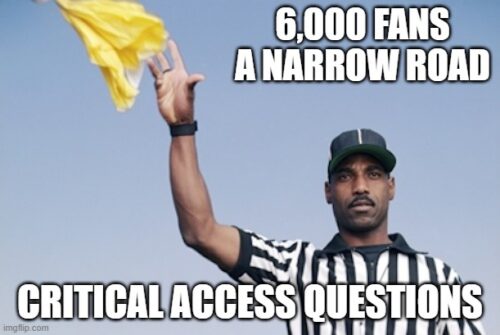
Before approving Z-43-25, I respectfully ask Council to require a meaningful examination of emergency access, overflow parking, Johnsdale Road capacity, school-event traffic, pedestrian movement and evacuation conditions. The question is not simply whether the proposed development can accommodate its own residents under normal conditions.
by T N | Sep 30, 2026 | Blog
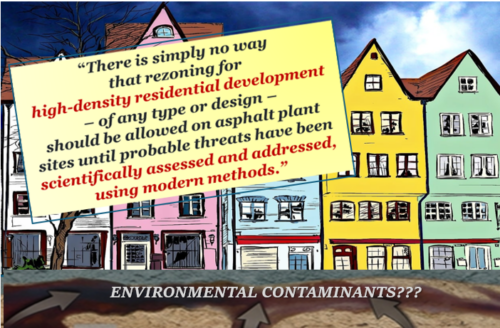
The issue of persistent toxic pollution at abandoned industrial sites is not a site design problem. There is simply no way that rezoning for high-density residential development – of any type or design – should be allowed on asphalt plant sites until probable threats have been scientifically assessed and addressed, using modern methods.
by T N | Sep 30, 2026 | Blog
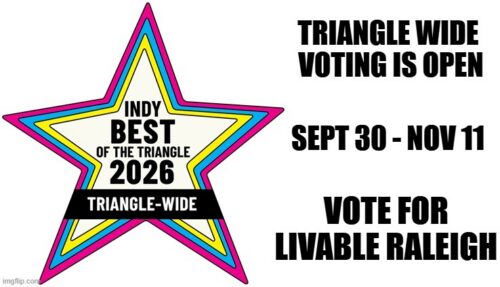
Vote for Livable Raleigh
– Best Local Activist Group in the Triangle
and
– Best Local Cause / Nonprofit Impact Award