
October 7, 2025 City Council Meeting
Highlights from 10/7 Council Meeting
Been There, Done That!
The city has grown enormously in the past few years, as people from all over began to recognize it’s a great place to live. But this growth was accompanied by absolutely no planning – or bad planning – which means we are now living in a helter-skelter atmosphere akin to a Third World city in which anything goes. Along with this has come a lapdog attitude when it comes to the city council’s relationship with developers. Sound familiar? This commentary was written 5 years ago in 2019.

Former City Councilor Considers Run for Mayor
I was elected three times and was honored to serve District B and the City for seven years. Despite not being on Council since 2022, I continue to hear from people. There is much concern about the direction of the City and many have asked that I consider returning to Council. As with the first time I ran, I need good reasons to run. I take serving seriously and never had a desire to run just for the sake of running. I want to be clear that I have not made a decision to actually run. If I do, I will run for Mayor. And here are some of the reasons why.
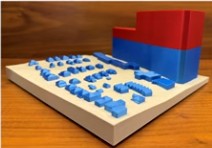
Z-12-25 West St Tower – Video – Bring Down the Height
The public hearing for this case will be held Tuesday, October 7 at 7pm. This public hearing will allow ONLY 8 minutes in TOTAL for those in opposition to present their case to City Council. Watch this video outlining the full fact and policy based opposition to Z-12-25. The 240’/360′ towers, in a transition area, 776′ along Historic Glenwood-Brooklyn Neighborhood only 190′ to 240′ feet from homes violates all plans, polices, urban planning guidelines and logic.
Why ask for public input only to ignore it?
I honestly have to ask – why seek public input if it’s not reflected in the analysis? Community engagement should serve as an opportunity to either mitigate community concerns or provide a transparent and respectful explanation when disagreement exists.
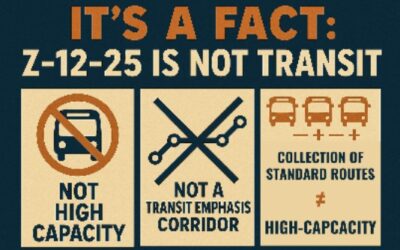
Z-12-25 does NOT meet Transit Land Use criteria
For a site to be designated as a Transit Land Use category, it must meet the definition “fronting along a corridor programmed for high-capacity, frequent bus transit.” The West St site meets ONLY the frequent transit criteria but fails the other two. It does not qualify for the Transit Land Use category.

Planning Department Fantasy!
Our Comprehensive Plan says building heights should transition from the Central Business District to residential neighborhoods. The planner says 30 stories is transition. FANTASY!!
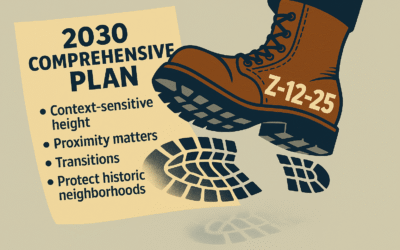
Z-12-25 Stomps on Raleigh’s Comp Plan
Raleigh has the tools and the policies to manage growth responsibly. Z-12-25 ignores them. Approving this rezoning would not only damage a historic neighborhood but also set a precedent that threatens every neighborhood in Raleigh. The Comprehensive Plan shows us the path forward: moderate, context-sensitive growth that strengthens, not undermines, our city’s future.
City Council Mid-Year Retreat, September 27, 2025
Council retreat focused on Federal Grants, Legislative Agenda, Steady State Bonds, “Big Ideas,” the next Comprehensive Plan, and Expansion of Affordable Housing Sites
City Councilors are elected by residents to represent residents
City Councilors, it is your job to make sure that city staff knows that their job is to protect the interests of the people that live in Raleigh, not to just make things easy for businesses and developers.