
Growth is inevitable, it doesn’t have to be destructive
Growth is inevitable, it can be transformative; it’s up to us to see that it isn’t destructive. Zoning and land use planning are the tools we use to meet this challenge.
Growth is inevitable, it can be transformative; it’s up to us to see that it isn’t destructive. Zoning and land use planning are the tools we use to meet this challenge.
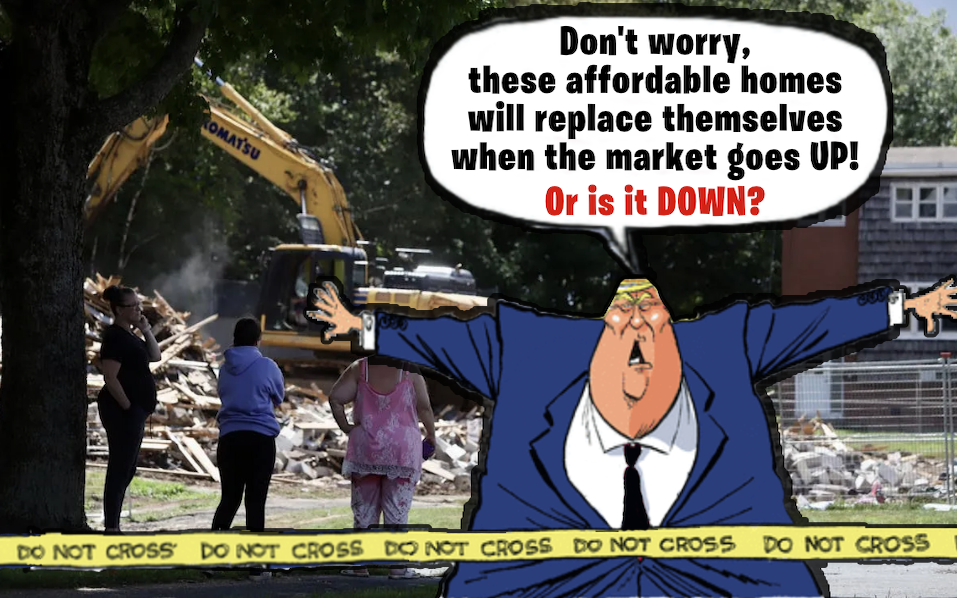
Some City Councilors are tireless boosters of discredited supply-side affordability theories: They cheer when the market ticks up , and they cheer even more when the market ticks down.

Navigating Raleigh’s affordable housing webpages feels like a frustrating maze. There’s good information, unfortunately, it’s buried under confusing web design, esoteric labels, scattered across too many disconnected pages or missing altogether in outdated reports.
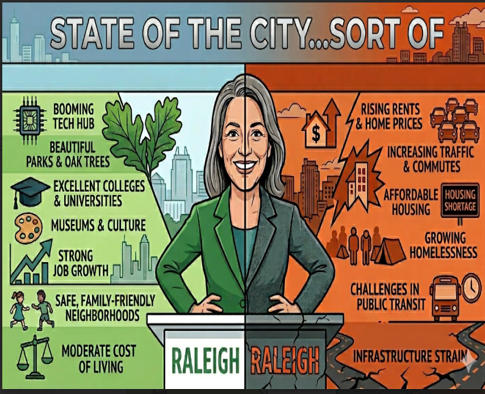
“We’re growing! we’re glowing!” the press release says. The Mayor’s got plans and a very nice suit, Telling us Raleigh is “ripening fruit.” Just remember, dear Leader, amidst all the hype: If you don’t fix the potholes, the fruit’s overripe.
I have been asked why we continue to speak to oppose Council’s decision to approve greenway routing through Anderson Forest backyards. City staff had numerous opportunities to influence Council and the public with written materials, glossy presentations and surveys. We have been largely restricted to three-minute comments like this to make our case to you and the public.

Just wanted to let you know that the new website looks great and that I totally agree with your Agenda for Affordable Housing, especially having developers required to help solve this.
The City is approving rezonings that directly contradict its own Comprehensive Plan and Small Area Plans, the documents meant to protect neighborhoods, historic areas, and responsible growth. When the government fails to follow its own rules, residents are left with no choice but to stand up and defend themselves.
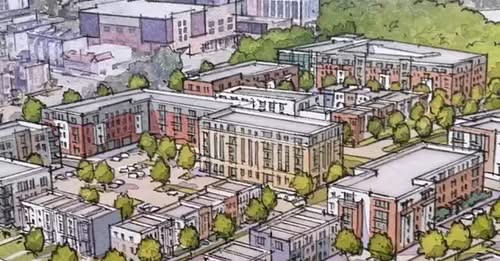
The public housing at Heritage Park serves some of Raleigh’s lowest-income families. Any effort to expand housing opportunities must continue to ensure: *No loss of deeply subsidized units *A meaningful right to return for current residents *Continued income-based rents *Protection against displacement *Preservation of community identity
Highlights from the March 17 Work Session and Afternoon Session
We are not opposed to greenways. We support connectivity and conservation. What we oppose is a decision that sacrifices a group of homeowners and their safety, violates conservation commitments and environmental protections, and increases costs—when less harmful alternatives exist.
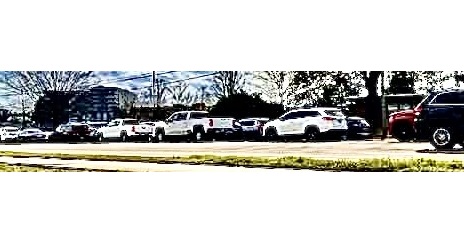
It turns out that at that January hearing when North Hills traffic was lightly discussed, the referral to the Transportation Committee – which had been previously promised to opponents – was not for any review of North Hills traffic at all but rather for the Six Forks Corridor Project – a dead project that would have provided little if any relief for traffic congestion in North Hills.

Raleigh’s current plans provide ample opportunity to reach Raleigh’s housing and density goals without threatening the character that makes Raleigh such a desirable address.
Work session focused on proposed 2026 housing and transportation bonds. Public comments focused on Homelessness and Affordable Housing, Greenways, Election issues, trees, and public safety
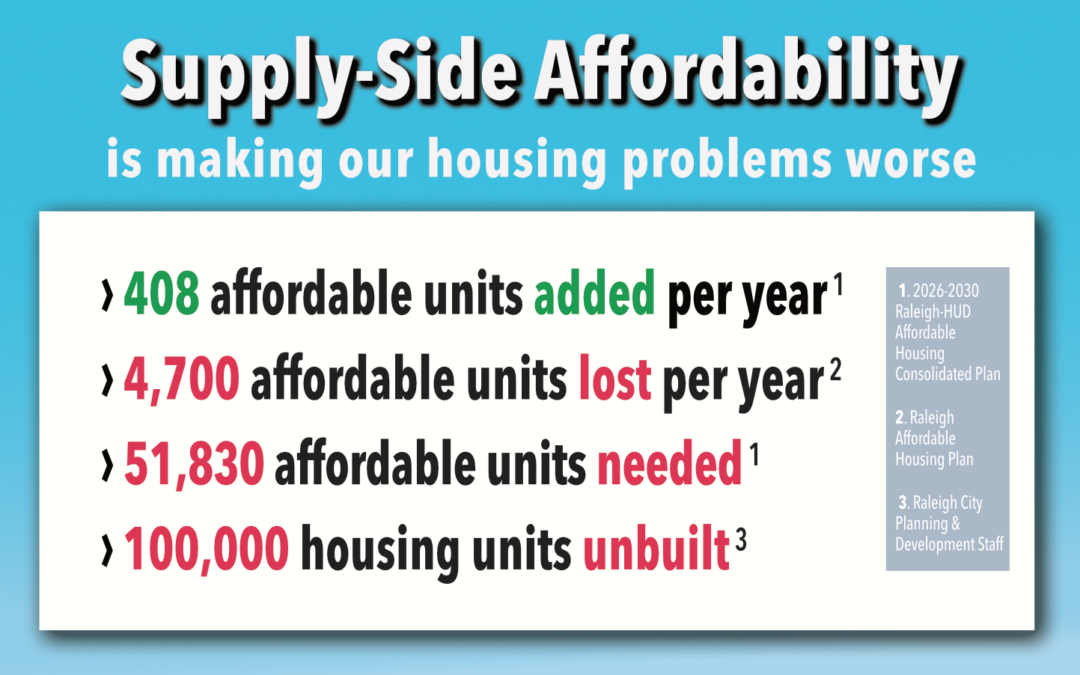
Let’s move on from self-serving and counterproductive supply-side theories used to justify massive developments that are violating our neighborhoods and our adopted growth plans. Instead, let’s work with Wake County’s Affordable Housing Director toward solutions described in Livable Raleigh’s Affordability Agenda, to produce much more affordable housing and more growth according to our adopted plans.
Staff considering changes to downtown parking rates, increases in stormwater and water rates for 2027.

Across the country, the price of housing of all kinds is increasing dramatically, with the result that people of lesser and moderate incomes are paying half or more of their disposable income for housing and utilities. In sum, we have an affordability problem.
The King Charles NCOD was adopted to preserve Raleigh’s first planned subdivision east of downtown. Neighborhood Conservation Overlay Districts are legislative commitments. They represent a balancing of growth and preservation through deliberate policy. Their credibility depends on predictability. If an overlay can be removed parcel-by-parcel when redevelopment pressure rises, its long-term stability becomes uncertain.
Highlights from March 4 City Council meeting
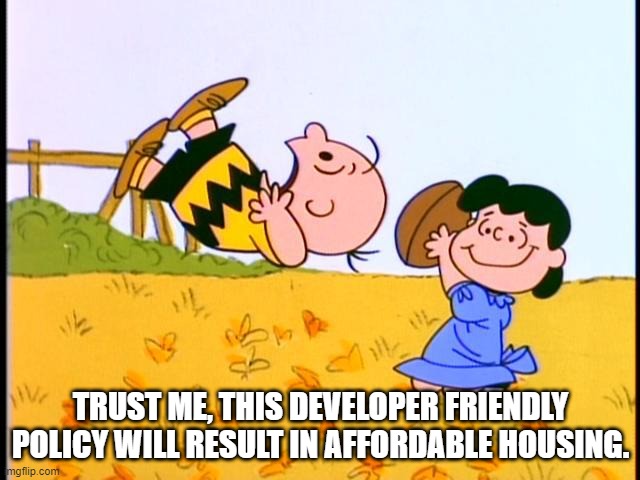
The most devastating loss of affordable housing in the past 20 years has been the city constantly greenlighting the destruction of vast numbers of small brick ranches, duplexes and mom and pop apartment buildings in the older parts of town to give way for McMansions and “luxury” apartment towers.

Mary-Ann Baldwin was successful in removing the public from the rezoning process with the elimination of the required meeting held at a relevant CAC. That meeting had a presentation with the applicant, a staff report by a staff member, and time to discuss all of the issues. And the applicant was not in charge. When that process was followed, the public had all of the information needed to make meaningful decisions. Now there is NO process for the public to hear what the staff report says until the Planning Commission meeting. How is the public supposed to participate?