June 8 & 9 City Council Meetings
FY2027 Budget passed and highlights from June 9 Work Session and Public Comments
FY2027 Budget passed and highlights from June 9 Work Session and Public Comments
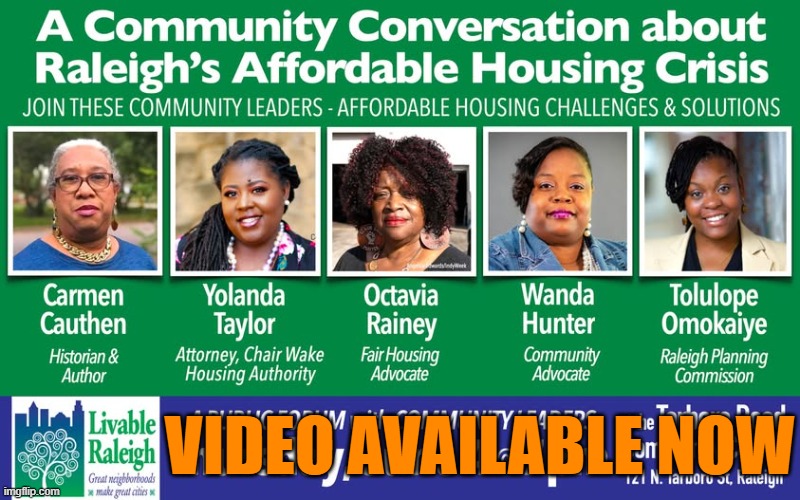
More than 75 residents gathered June 4 at the Tarboro Road Community Center for a Livable Raleigh forum on the city’s affordable housing crisis, where five longtime community leaders shared recommendations for addressing displacement and preserving affordable communities. If you weren’t able to attend you can watch the video now.
The City Planning Staff advocates on behalf of individual development interests. When was the last time Planning acknowledged any negative impact in their review of a zoning change request? Where is the advocacy for the people and for the plan they devised and adopted with stakeholder input?
Highlights from June 1 Budget Work Session and June 2 Afternoon & Evening Council meetings

In recent polling 85% of Raleigh citizens across all demographics support increased funding of Raleigh Police. So as we enter the 2027 budget cycle, I’m here to encourage continued investment in public safety. A safe city depends on a fully staffed and supported police department. And RPD still faces significant staffing challenges, with roughly 80 vacancies among its 798 approved officer positions.
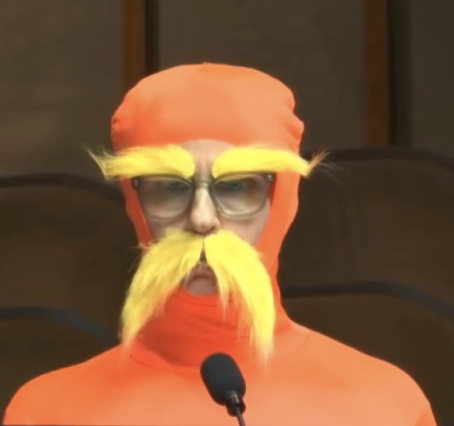
I speak for the trees, for the trees have no tongue. This is not about what is, it’s about what can become. A vibrant tree canopy to grow 24,000 strong. City of Oaks, Grow them with care. Give them clean water. And feed them fresh air. This is the future we ask you to share.