

Bob Mulder, former Chair of Raleigh’s Planning Commission, sent the following to Raleigh City Council on February 9, 2026. We are publishing it here with his permission:
Critical Listening is Missing
I recently posted on Nextdoor expressing my frustration about Council’s 6 to 2 approval of the North Hills rezoning.
A couple of comments seemed to miss the point. They stated that “Each viewpoint was given equal time” and “They did listen. Your side just lost.”
This was my response:
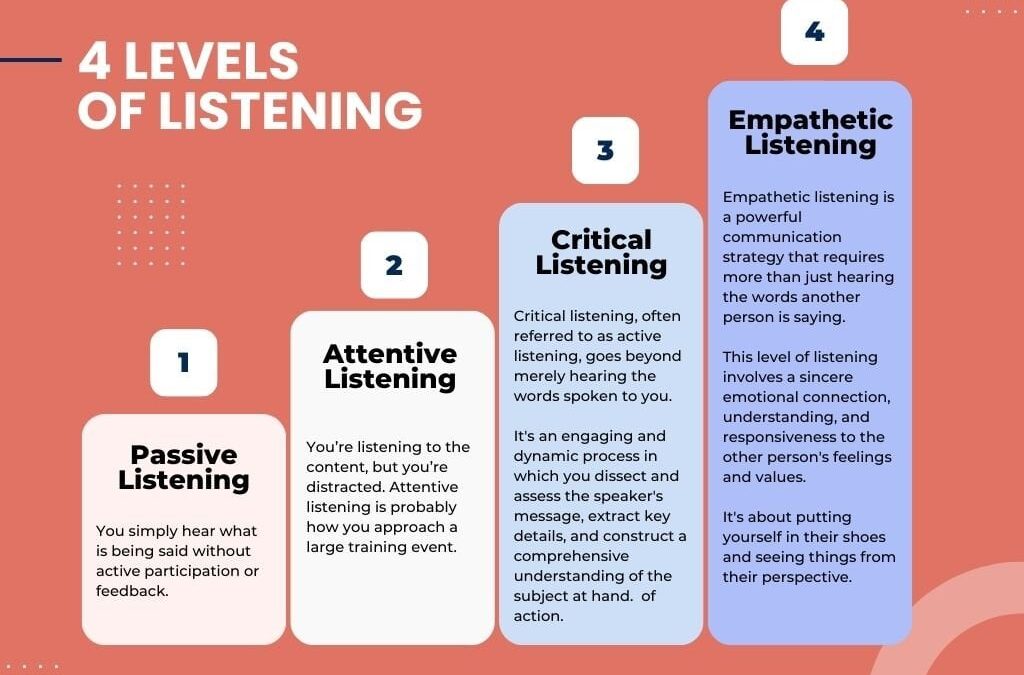
There is listening (in one ear and out the other) and then there is critical listening.
Critical listening is the process of carefully analyzing and evaluating the information presented during a communication event. It involves attempting to understand the speaker’s intent, assessing the quality of arguments, and distinguishing between valid points and misinformation.
If the majority of the City Council had taken the time to clearly explain why they disagreed with the folks that opposed the West/Peace St and North Hills rezoning requests, that would have been an example of critical listening.
The council majority should have taken the time to poke holes in the arguments of the opposition. They did not. They ignored the Comprehensive Plan because it did not fit their planning narrative.
So, here is my suggestion for you.
Go to the Blogs section on www.livableraleigh.com and read through the blogs that opposed these two rezonings. Then, take the time–if you disagree with the writers–to poke holes in their arguments and post your conclusions here on Nextdoor. Once you have done that, we can have a thoughtful and intelligent exchange. I look forward to your analysis of both rezoning cases!
To date, no one has taken me up on that challenge. You just have to wonder why that is.
I have been made aware that the reason members of the city council do not want to ask questions of speakers who oppose a rezoning is that those council members worry about being seen as ganging up on a citizen and making that citizen feel badly about coming to express their opinions.
If that is a barrier for council members to actually get to the root of the matter, then perhaps it all boils down to body language and how you ask the questions. Do you ask the questions with a defensive body posture and facial expression, or do you project a feeling that you are genuinely interested? How you phrase your question is important.
It might go something like this: “I have listened to your objections to this rezoning request, and I am really interested in having a better understanding of your position. My intention is not to give you a hard time, but rather to get a better understanding of why your observations differ from that of the City Planning Staff.”
The other and similar reason why city council members may not want to go this route is because it might make planning staff look bad. This is not a reason for you not to ask probing questions.
Do you think that the framers of our Constitution would have gotten anywhere without their willingness to challenge ideas and debate them? In today’s political milieu many people either shout at each other or are afraid to say anything.
It is possible to have civil discourse, and if you feel that there is not enough time during a public hearing to have that civil discourse, then the best option is to send the rezoning request to a committee for as long as it takes to have an effective and informative debate about a rezoning request. Not doing so is essentially giving up on your responsibility to get at the actual truth and facts of the matter.
If you appreciate the kind of reporting we bring to you
|
Please donate $10 or $20, Thanks for supporting |
 |