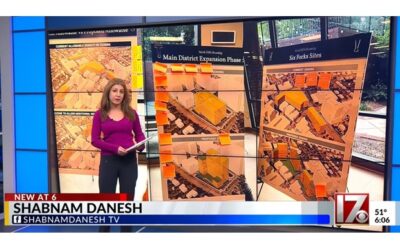
Staff made 4 simple analysis errors. We go through each of those errors, show you the language from city documents that was misinterpreted and give you the updated results.
Councilor Silver Must Recuse!
It would be reasonable for you to believe that once Silver was elected to City Council in November 2024, just one year after being paid to represent the West St property owner, he would feel obligated to recuse himself from any future City Council actions related to this property. But, Silver has stated publicly that he has no intention of recusing himself from voting on this rezoning case when it comes before the City Council.
Z-12-25 Fails Raleigh’s Three-Layer Rezoning Test
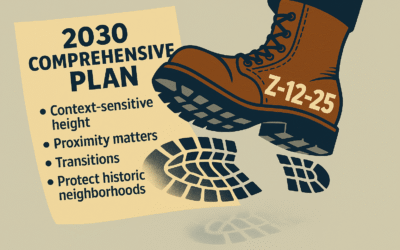
By law, rezonings are legislative actions that must be judged for consistency with the 2030CP and SAP, not just technical compliance with the UDO. The proposal to allow 20- and 30-story towers in a transition area just 240 feet from a historic neighborhood and homes isn’t judged only by whether it meets basic zoning code requirements. It must also be consistent with the 2030 Comprehensive Plan’s long-term vision, the Unified Development Ordinance’s regulatory standards, and the Capital Boulevard Corridor Study’s location-specific guidance. City Council must check if a proposal matches the plan’s maps, policies, and long-term goals, not just whether it’s profitable or popular in the short term. This proposal fails this Three-Layer Test.
Will the New Council Fix our Crappy Missing Middle Infill Rules and End the Lawsuits?
Livable Raleigh and other proponents of Missing Middle best practices have lobbied Council for years to engage in a community conversation toward adopting Missing Middle infill improvements on the books in other peer cities that actually promote affordability, compatibility and walkable transit access. The latest, and perhaps best rules so far, have been adopted by Sacramento, CA.
Growth with Consequences – Risk to Raleigh Neighborhoods
Approving Z-12-25 would ignore hard-won policies, dismantle critical protections, and set a dangerous precedent for high-rise development adjacent to neighborhoods across the city. It would place short-term interests above long-term success, undermining the thoughtful planning that has made Raleigh livable, walkable, and desirable.
Z-12-25: A Threat to Every Raleigh Neighborhood
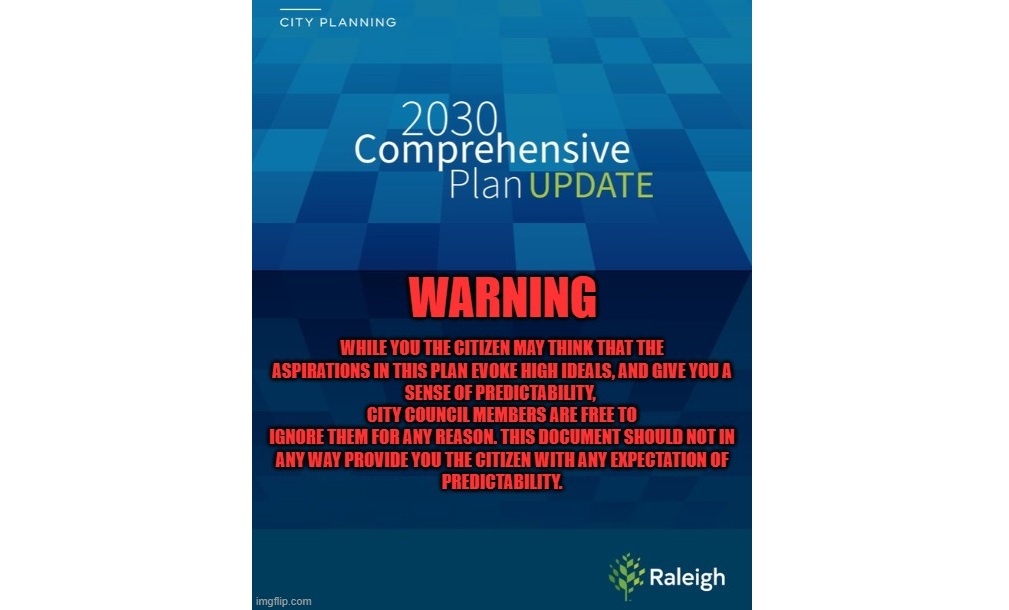
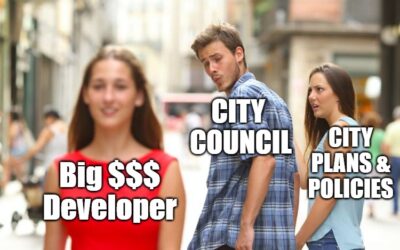
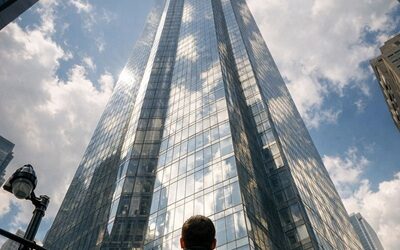
If the City approves this level of height in a designated Transition Area adjacent to a historic neighborhood, it will effectively rewrite the 2030 Comprehensive Plan—not through public process and thoughtful formal amendment, but by precedent. A 30-story tower just 240 feet from homes would become consistent with adopted plans and policies, making it nearly impossible to deny similar proposals elsewhere. This kind of inappropriate, overwhelming height could then be justified beside any neighborhood in Raleigh, stripping away long-standing protections and eroding the integrity of the city’s planning framework. The consequences would be profound and lasting for Raleigh’s future.
Height Without Transition Risks Raleigh’s Future
Height transitions are essential urban planning tools that ensure livability, preserve sunlight, reduce heat, and maintain a walkable, human-scale city. Raleigh can and should grow—but it must stick to the plans that made it great. Ignoring these risks Raleigh’s future. Raleigh Neighbors United supports more housing and greater density, but it must be guided by long-term plans and include transitions, and urban design that will help Raleigh thrive. One-off rezonings like Z-12-25 undermine long range plans, affordability goals and set a harmful precedent for development citywide.
The Impacts of Cherry-Picking Policy – Part Four
RDC’s last point is that they are meeting the guidance on transitions in proposing 20 and 30 story buildings, in a Transition Zone, 240 feet from homes in a Historic Neighborhood. Not only does this not pass a logical assessment it is not fully accurate. If one reviews the 2030CP analysis document and the 21 different policies guiding transition and buffering called out, they would clearly see the policy violations of Z-12-25.
It was wrong then, it’s still wrong now.
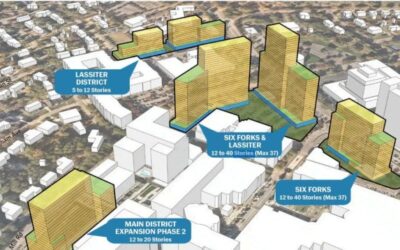
When this case came before you last, you rightly denied the 40-story request at Peace & West streets — acknowledging the need for a height transition next to moderate density residential. Since then, the Comprehensive Plan has been updated to reflect that transition zone — recognizing the clear need for compatibility between new development and established communities. Yet here we are again. The applicant is now seeking 30 stories—still wildly out of scale. The Comprehensive Plan designates this as a “Downtown Transition Area”—a place where height is meant to step down, not surge upward. A 12-story limit allows for nearly 550 units. That’s meaningful density.
Stop Z-12-25 : West St Tower – Sign the Petition
If Z-12-25 is approved, it sets a precedent that 30 stories can be built adjacent to any neighborhood in Raleigh. The policies are clear: no more than 12 stories is appropriate in this area. Anything more violates core urban planning principles and undermines the framework that protects Raleigh neighborhoods. The Planning Commission will hear the case in August, and City Council will vote soon after. Once this precedent is set, it cannot be undone. The decisions made now will define what kind of city Raleigh becomes, whether we uphold sound planning principles and protect neighborhoods, or open the door to unchecked, inconsistent rezonings. We must act now to protect Raleigh’s plans, values, and communities and demand development that respects the city’s long-term vision. Sign the Petition!