Highlights from September 8 Work Session and Public Comments Session
Highlights from September 8 Work Session and Public Comments Session
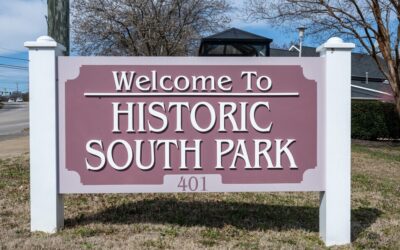
Is everyone in South Park aware of what is happening with Z-22-26 and the potential removal of our neighborhood’s existing height restrictions? “The sole purpose of this rezoning request is to remove the subject site from the 28.7-foot height limitation restriction of the South Park NCOD.”
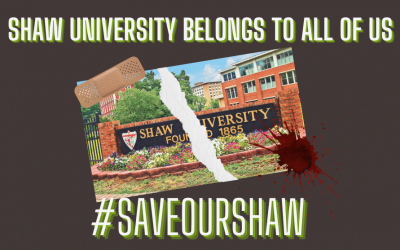
One day, today’s students will tell their children about Shaw University. The story they tell will depend on the decisions we make today. History is watching. And so are the generations yet to come.
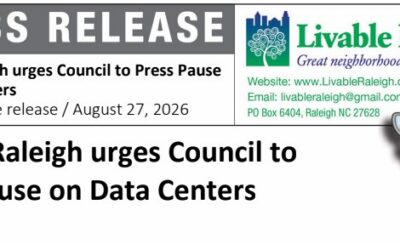
Livable Raleigh recommends that the Raleigh City Council pause consideration of any new data centers pending a careful study of their benefits and impacts, with public engagement and adoption of a data center review process.
Highlights from Work Session and Afternoon Session of August 18 Raleigh City Council Meeting
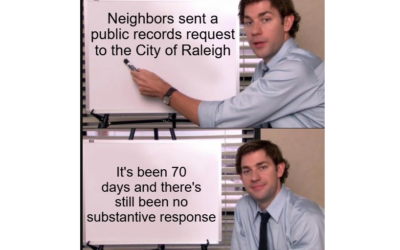
What began as concerns over one rezoning proposal has developed into a much larger concern about the transparency and integrity of the process itself. Over the course of this case, neighbors have documented 14 separate issues involving public notice, procedural decisions, access to information, public records delays and communications surrounding the case.
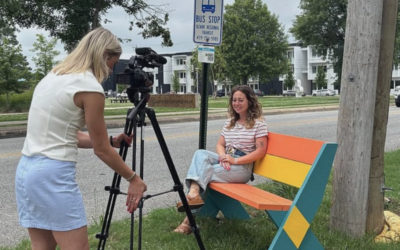
A City We Build Together: How one citizen and one mayor showed what local government is supposed to be.
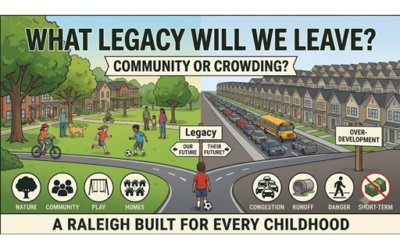
A healthy neighborhood is a vital resource. When a community succeeds, it builds a legacy that our elected city council ought to protect. While growth is necessary for Raleigh, it should not come at the expense of any community’s well-being. I look up many site plans and see a concerning focus on short-term profit over livability—no yards, without internal sidewalks, inadequate driveways, insufficient common areas, and a lack of safe pedestrian access to basic amenities. Why are ALL of these things being cut out of communities in exchange for maximizing density profits?
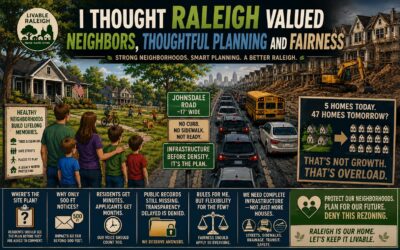
I grew up believing Raleigh was a city that valued neighbors, thoughtful planning, and fairness. That’s why this process has been so disappointing. This isn’t just about one rezoning. It’s about whether ordinary residents still have a meaningful voice when the future of their neighborhoods is being decided.
Highlights of July 7 Raleigh City Council meeting