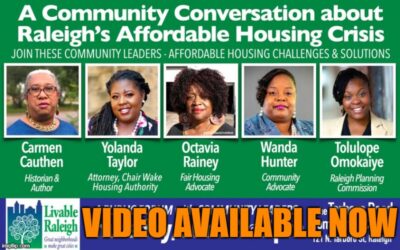
More than 75 residents gathered June 4 at the Tarboro Road Community Center for a Livable Raleigh forum on the city’s affordable housing crisis, where five longtime community leaders shared recommendations for addressing displacement and preserving affordable communities. If you weren’t able to attend you can watch the video now.
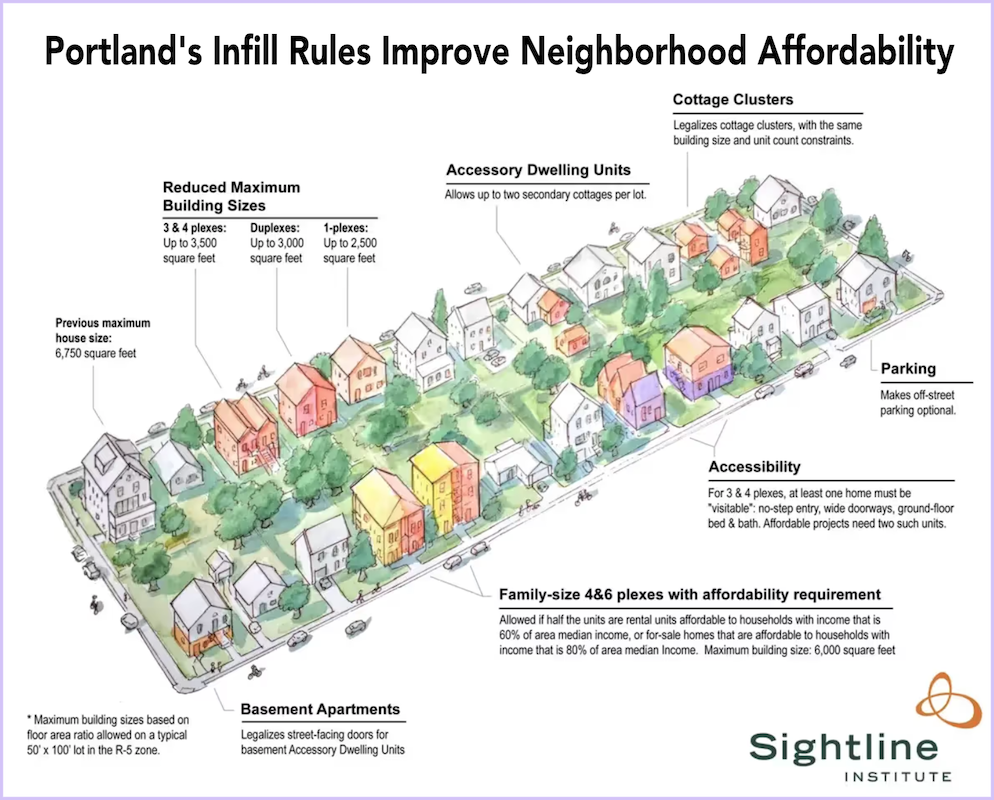
Portland’s Infill Rules Improve Neighborhood Affordability. Raleigh’s Rules Do the Opposite.
Allowing more smaller, affordable units on a lot that would otherwise contain one expensive unit has clearly hit a sweet spot with Portland builders and affordability advocates. Portland’s housing reforms aren’t a silver bullet, but they are a powerful reminder to Raleigh that well-designed policies can produce affordable, human-scaled homes in Raleigh neighborhoods people already love.
High Density development Intentionally Eliminates Engagement with Neighbors
If a high-density development is proposed within one half mile of a Bus Rapid Transit route, i.e., within a Frequent Transit Area, the entire process of informing and engaging the affected neighbors vanishes. With High Density Development in a Frequent Transit Area neighbors are not informed of a development that will have a much greater impact on their neighborhood.
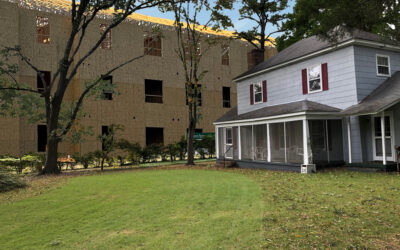
Developer proposes a Major, Visual Shock
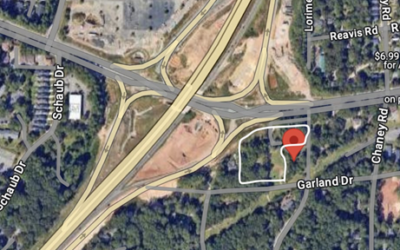
A proposed Lorimer Spring development of 60 apartments for senior citizens is advancing with no official notification to nor input from neighborhood residents. It has inadequate parking and no real access to transit within safe walking distance. Especially for seniors.
Will Council Put Parking Lots Before People?
Council is being asked to legalize an illegal parking lot at 2601 Vanderbilt Ave near NC State. The applicant says the parking lot rezoning (Z-33-24) is a minor change, but in the big picture of West Raleigh’s sustainable growth, putting parking lots before people is a giant step backwards that will only legitimize more parking lots to come.
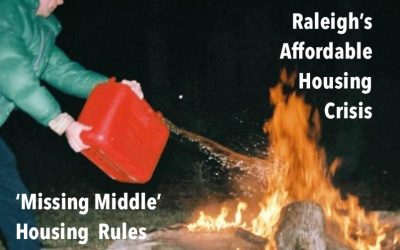
Pouring Gasoline on Raleigh’s Affordable Housing Bonfire
Raleigh’s highly promoted public information sessions about Missing Middle Housing rules got off to a rocky start last Wednesday evening, being held a year and a half late, after the city’s neighborhood densification rules began going into effect.
What’s in a Text Change? The Case of TC-4-20, an Effort to Weaken Residential Infill Development Standards. (You expected something else from this Council?)
The City is on the verge of changing our rules about residential infill, and not in a good way. That’s our short take on TC-4-20, a “Text Change” that would amend and loosen the city’s zoning code – the so-called Unified Development Ordinance, or UDO.