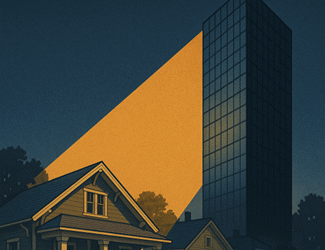
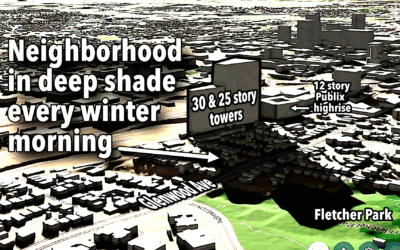
Everyone agrees that more urban parks and walkable urban densities are good things, but promoters of 30 story towers next to the historic Glenwood Brooklyn neighborhood have offered no evidence that the new 12 story Publix building just across Peace Street isn’t an excellent example of what could go on the West Street site, giving the developer ample profits and urban high-rise densities without casting 30 story shadows over the neighborhood every winter morning
A Flawed Foundation for Deliberations
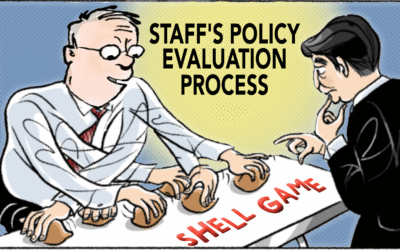
Staff reports carry weight in Planning Commission and City Council deliberations. When they misclassify sites, turn a blind eye to policies, minimize area plans, and claim no adverse effects, they create the illusion of consistency where none exists and inflate the benefits while minimizing impacts. This clearly affected the Planning Commission deliberations and stunted debate necessary to make an informed decision.
4 easy steps to analyze Z-12-25, West St Tower
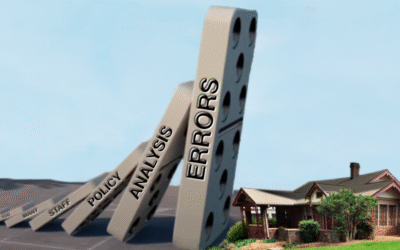
Staff made 4 simple analysis errors. We go through each of those errors, show you the language from city documents that was misinterpreted and give you the updated results.
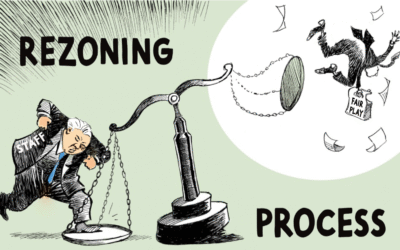
Putting your thumb on the scale is WRONG!
The developer was claiming the site is in a Transit Station Area based on an outdated map, a false claim. Now, City Staff has joined with the applicant in making false claims. The Planning Commission did nothing to question this. City Council, it is left up to you to seek out the truth.
Raleigh plummets in “Best Places to Live” rankings
Raleigh was a perennial top 10 city when only being compared against other large cities in the Best Places to Live rankings. But, when the candidate pool was expanded most larger cities performed poorly. It seems smaller cities are more popular than large, dense, urban, vibrant locales. And, the difference isn’t due to cost of living or even traffic concerns. It’s quality of life.
Z-12-25 Fails Raleigh’s Three-Layer Rezoning Test
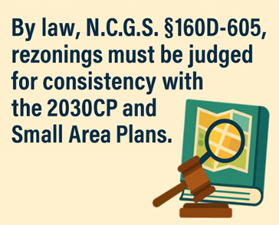
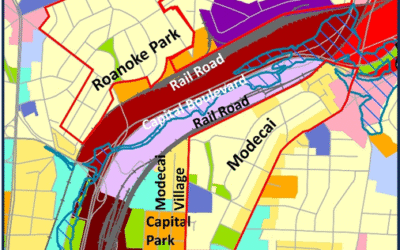
By law, rezonings are legislative actions that must be judged for consistency with the 2030CP and SAP, not just technical compliance with the UDO. The proposal to allow 20- and 30-story towers in a transition area just 240 feet from a historic neighborhood and homes isn’t judged only by whether it meets basic zoning code requirements. It must also be consistent with the 2030 Comprehensive Plan’s long-term vision, the Unified Development Ordinance’s regulatory standards, and the Capital Boulevard Corridor Study’s location-specific guidance. City Council must check if a proposal matches the plan’s maps, policies, and long-term goals, not just whether it’s profitable or popular in the short term. This proposal fails this Three-Layer Test.
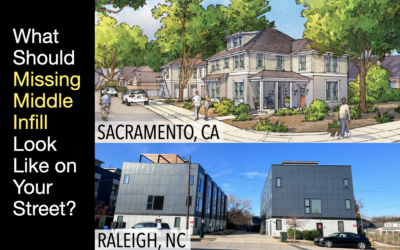
Will the New Council Fix our Crappy Missing Middle Infill Rules and End the Lawsuits?
Livable Raleigh and other proponents of Missing Middle best practices have lobbied Council for years to engage in a community conversation toward adopting Missing Middle infill improvements on the books in other peer cities that actually promote affordability, compatibility and walkable transit access. The latest, and perhaps best rules so far, have been adopted by Sacramento, CA.
Growth with Consequences – Risk to Raleigh Neighborhoods
Approving Z-12-25 would ignore hard-won policies, dismantle critical protections, and set a dangerous precedent for high-rise development adjacent to neighborhoods across the city. It would place short-term interests above long-term success, undermining the thoughtful planning that has made Raleigh livable, walkable, and desirable.
Z-12-25: A Threat to Every Raleigh Neighborhood
If the City approves this level of height in a designated Transition Area adjacent to a historic neighborhood, it will effectively rewrite the 2030 Comprehensive Plan—not through public process and thoughtful formal amendment, but by precedent. A 30-story tower just 240 feet from homes would become consistent with adopted plans and policies, making it nearly impossible to deny similar proposals elsewhere. This kind of inappropriate, overwhelming height could then be justified beside any neighborhood in Raleigh, stripping away long-standing protections and eroding the integrity of the city’s planning framework. The consequences would be profound and lasting for Raleigh’s future.
Height Without Transition Risks Raleigh’s Future
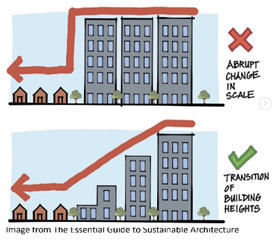
Height transitions are essential urban planning tools that ensure livability, preserve sunlight, reduce heat, and maintain a walkable, human-scale city. Raleigh can and should grow—but it must stick to the plans that made it great. Ignoring these risks Raleigh’s future. Raleigh Neighbors United supports more housing and greater density, but it must be guided by long-term plans and include transitions, and urban design that will help Raleigh thrive. One-off rezonings like Z-12-25 undermine long range plans, affordability goals and set a harmful precedent for development citywide.