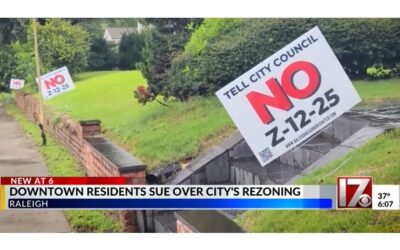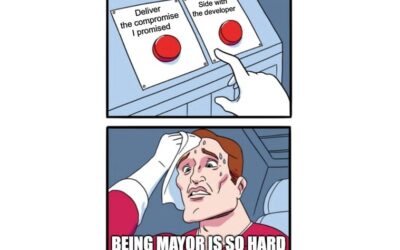
The approval of Z-12-25 was a huge disappointment to many of the residents in Raleigh’s neighborhoods. What is most disappointing is that there was a workable compromise that would have respected all parties.
David Cox announces decision
A few weeks ago I wrote in a blog that I would consider running for Mayor of Raleigh. I stated that there is much concern about the direction of the City and many have asked that I consider returning to Council. I identified three major areas of concern. I see these as essential issues facing the City and its future. Only with citizen involvement and a Council and Mayor willing to support its citizens will Raleigh be sustainable in the future as a desirable and affordable place to live. We can choose to be Raleigh or we can choose to be New York or Atlanta.
City Council Disappoints Again with Z-12-25
The City Council’s decision to approve the rezoning case on West Street (Z-12-25), adjacent to the Glenwood-Brooklyn neighborhood, is hard to understand – unless, that is, you understand that a majority of Council always approves rezoning cases, no matter how outsized, because the development industry controls them.
Z-12-25 West St Tower – Video – Bring Down the Height
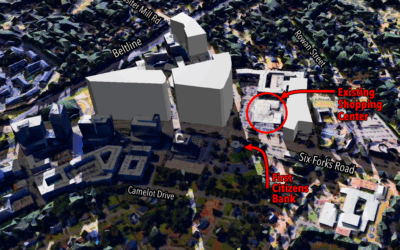
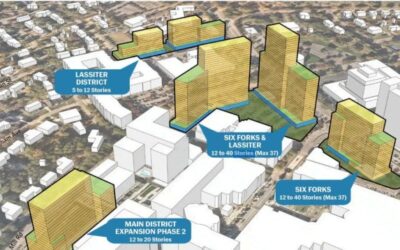
The public hearing for this case will be held Tuesday, October 7 at 7pm. This public hearing will allow ONLY 8 minutes in TOTAL for those in opposition to present their case to City Council. Watch this video outlining the full fact and policy based opposition to Z-12-25. The 240’/360′ towers, in a transition area, 776′ along Historic Glenwood-Brooklyn Neighborhood only 190′ to 240′ feet from homes violates all plans, polices, urban planning guidelines and logic.
Z-12-25 does NOT meet Transit Land Use criteria
For a site to be designated as a Transit Land Use category, it must meet the definition “fronting along a corridor programmed for high-capacity, frequent bus transit.” The West St site meets ONLY the frequent transit criteria but fails the other two. It does not qualify for the Transit Land Use category.
Z-12-25 Stomps on Raleigh’s Comp Plan
Raleigh has the tools and the policies to manage growth responsibly. Z-12-25 ignores them. Approving this rezoning would not only damage a historic neighborhood but also set a precedent that threatens every neighborhood in Raleigh. The Comprehensive Plan shows us the path forward: moderate, context-sensitive growth that strengthens, not undermines, our city’s future.
Selective Policy Emphasis and a Disregard for Neighborhood Protections
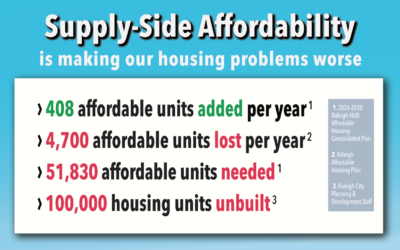
Are we just counting which policies are convenient for a project and ignoring the ones that aren’t? This isn’t about stopping growth. It’s about rejecting a project that ignores codified transition areas, disregards protections for historic neighborhoods, and offers no real public benefit for on-site affordable housing.
Why Z-12-25 (The West Street Tower) Fails Raleigh’s Vision
Raleigh needs growth, but growth must be responsible. The 2030CP and ETOD establish a framework where context, transitions, and neighborhood protection guide how and where height happens. Z-12-25 proposes 240-360 foot towers just steps from a historic neighborhood. This is inconsistent with adopted plans, sets a dangerous precedent, and undermines Raleigh’s planning tools.
It’s Not the City’s Responsibility to Insure Business Profits
In order to make important decisions with confidence, City Council needs good advice. The Planning Department should be working to provide you with a recommendation based on a full and rational analysis of all impacts, positive or negative, and consistency with the Comprehensive Plan. Their job is NOT to convince you the proposal is necessary and essential to the continued expansion of Raleigh’s revenue base.
Smashing through the Guardrails of Policy
Amazingly City Staff identified no detriments from this rezoning case. This proposed development is very close to a historic neighborhood. Why is there no reference in this document to Section 12 of the Comprehensive Plan regarding Historic Preservation? The first comment reads “Lack of transitions around historic resources which can sometimes lead to jarring juxtapositions of scale and proximity that detract from the character of the historic resource’s setting.” Has anybody read this or is even aware of this section of the Comprehensive Plan?