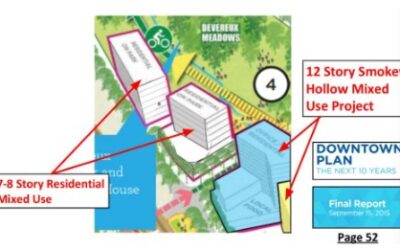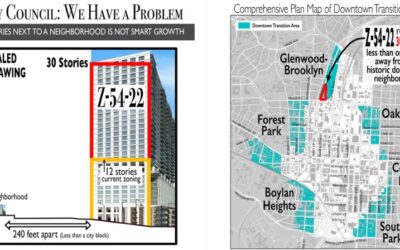
The Downtown Plan specifically notes the recommendation that the North End of downtown would have less large-scale development in contrast to the large-scale redevelopment contemplated on the South End of downtown, the vision for the North End fills the gaps between existing assets to create a complete neighborhood. Furthermore, the plan shows appropriate residential development for the West Street site at 7 and 8 stories.
West St Tower Violates Equitable Transit Development
Key Strategies of Equitable Transit Oriented Development allow for relatively higher densities in mixed-use areas near BRT stations. The density and building height of new developments should respect the existing neighborhood contexts. Transition building height and bulk downward from the station to connect with adjacent, lower density districts and neighborhoods.
West St Tower violates Capital Blvd Corridor Study
The Capital Boulevard Corridor Study (CBCS) is an area plan companion to the Comprehensive Plan. The CBCS specifies the Historic Glenwood/Brooklyn Neighborhood (HGBN) and recommends heights in the study area ranging from three stories at the neighborhood edge, up to twelve stories in areas well separated from neighborhoods. Councilor Silver campaigned on keeping development consistent with our Plans.
West St Tower Proposal Violates the Comprehensive Plan
The tower proposal violates 4 city plans, 47 city policies and 2 city tables. One ex. is Policy LU 8.3 Conserving, Enhancing, and Revitalizing Neighborhoods: Recognize the importance of balancing the need to increase the housing supply and expand neighborhood commerce with the parallel need to protect neighborhood character, preserve historic resources, and restore the environment.
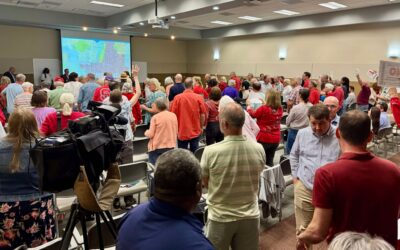
Peace/West St Neighborhood meeting – All Stand!
This rezoning would set a dangerous precedent that would affect ALL neighborhoods. It violates height guidance, 4 plans, 47 policies, and 2 tables. There is not one single city policy or plan that supports more than 12 stories at this location.
Flawed development regulations in Frequent Transit Areas
When a developer desires to build a high-density development inside an FTA (Frequent Transit Area), no rezoning for higher density is required – the City has already done the upzoning by fiat, no rezoning request required.
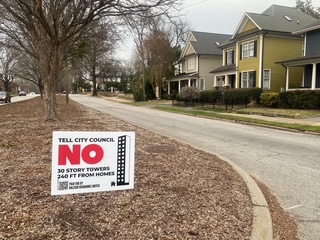
Want to know more about these signs?
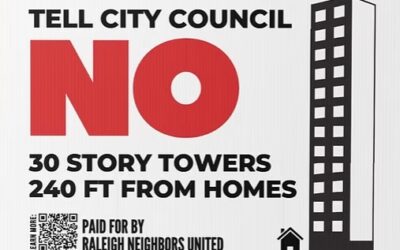
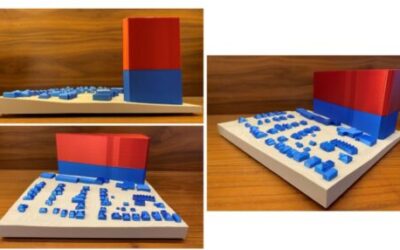
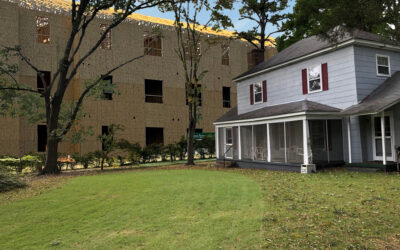
This rezoning would set a dangerous precedent that would affect ALL neighborhoods. The developer wants to build 30 stories in a Transition Area, 240 feet from homes in a historic neighborhood. Anything greater than 12 stories would violate height guidance, 4 plans, 47 policies, and 2 tables. There is not one single city policy or plan that supports more than 12 stories at this location.
Urge Raleigh City Council to “Stick to the Plan”
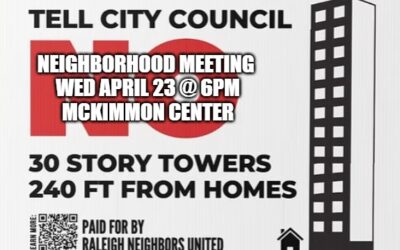
PACK THE ROOM! Developer Hosted Neighborhood Meeting. April 23 6pm McKimmon Center. If height and density of this magnitude can be forced here, without support, where guidance clearly stipulates a maximum of 12 stories and where the site is in a Transition Area, then BEWARE! It can happen anywhere. All neighborhoods in and around Raleigh are at imminent risk.
High Density development Intentionally Eliminates Engagement with Neighbors
If a high-density development is proposed within one half mile of a Bus Rapid Transit route, i.e., within a Frequent Transit Area, the entire process of informing and engaging the affected neighbors vanishes. With High Density Development in a Frequent Transit Area neighbors are not informed of a development that will have a much greater impact on their neighborhood.
City Council: We Have A Problem
If a 30 story tower is approved at this location in a designated Downtown Transition Area, then ALL the other neighborhoods noted here and currently protected by Downtown Transition Areas are at risk. This is a dangerous precedent to set.