It’s Up to City Council Now

It’s Up to City Council Now

The RCAC has done its part. It is now up to the Council to bring this across the finish line. Yes, the additional benefits outlined in the Tier approach carry a cost, but this is not because of the addition of the CACs. The additional cost burden is because the benefits are being applied across the entire Engagement Network so that other organizations can share those same benefits that the CACs have enjoyed in the past.

When and How does Raleigh Vote?

When and How does Raleigh Vote?

The next election for Raleigh Mayor and City Council will be held November 3, 2026. But there’s a brand-new primary election first, on March 3, 2026. With a deadline for candidates to file and get on the ballot THIS YEAR — by December 19, 2025. Join Livable Raleigh Advisory Committee Members and our guest Elections Expert Gerry Cohen on Monday, December 8, from 7-8:30pm at Jaycee Park, 2405 Wade Avenue to learn all the details.

Raleigh elections will be here sooner than you think

Raleigh elections will be here sooner than you think

The next election for Raleigh Mayor and City Council will be held Nov 2026. But there’s a brand-new primary election first, in March 2026. With a deadline for candidates to file and get on the ballot THIS YEAR — in Dec 2025. That’s right: To run in 2026, you must file with the Board of Elections in 2025. Here are the changes to know about …

David Cox announces decision

David Cox announces decision

A few weeks ago I wrote in a blog that I would consider running for Mayor of Raleigh. I stated that there is much concern about the direction of the City and many have asked that I consider returning to Council. I identified three major areas of concern.  I see these as essential issues facing the City and its future. Only with citizen involvement and a Council and Mayor willing to support its citizens will Raleigh be sustainable in the future as a desirable and affordable place to live. We can choose to be Raleigh or we can choose to be New York or Atlanta. 

City Council Disappoints Again with Z-12-25

City Council Disappoints Again with Z-12-25

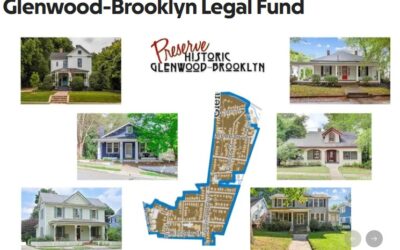
The City Council’s decision to approve the rezoning case on West Street (Z-12-25), adjacent to the Glenwood-Brooklyn neighborhood, is hard to understand – unless, that is, you understand that a majority of Council always approves rezoning cases, no matter how outsized, because the development industry controls them.

Been There, Done That!

Been There, Done That!

The city has grown enormously in the past few years, as people from all over began to recognize it’s a great place to live. But this growth was accompanied by absolutely no planning – or bad planning – which means we are now living in a helter-skelter atmosphere akin to a Third World city in which anything goes. Along with this has come a lapdog attitude when it comes to the city council’s relationship with developers. Sound familiar? This commentary was written 5 years ago in 2019.

Former City Councilor Considers Run for Mayor

Former City Councilor Considers Run for Mayor

I was elected three times and was honored to serve District B and the City for seven years. Despite not being on Council since 2022, I continue to hear from people. There is much concern about the direction of the City and many have asked that I consider returning to Council. As with the first time I ran, I need good reasons to run. I take serving seriously and never had a desire to run just for the sake of running. I want to be clear that I have not made a decision to actually run. If I do, I will run for Mayor. And here are some of the reasons why.

Why ask for public input only to ignore it?

Why ask for public input only to ignore it?

I honestly have to ask – why seek public input if it’s not reflected in the analysis? Community engagement should serve as an opportunity to either mitigate community concerns or provide a transparent and respectful explanation when disagreement exists.

A Flawed Foundation for Deliberations

A Flawed Foundation for Deliberations

Staff reports carry weight in Planning Commission and City Council deliberations. When they misclassify sites, turn a blind eye to policies, minimize area plans, and claim no adverse effects, they create the illusion of consistency where none exists and inflate the benefits while minimizing impacts. This clearly affected the Planning Commission deliberations and stunted debate necessary to make an informed decision.